Mah Grove was born out of the need to cope with grief and come to terms with the past.
I lost my father—and, before that, a dear friend—and I realized that to heal, I had to go back: to relive my adolescence, the conflicts with my father, my rebellion, the betrayed friendships, the shattered dreams, and the pain I carried inside.
Every now and then, the past knocks on my door, and it’s hard not to open it—hard to lock it out.
For four years, I captured images that became traces of memory—attempts to find a home, a father, and a friend on the urban fringes overseas, and to give shape to emotions too overwhelming to be merely remembered.
When Mike let me take pictures of him coaching his kids in basketball, I realized I had made new friends.
Some of them are still part of my life today, like Gaitor, who survived 17 years in prison and is committed to turning his life around—he started writing me letters after I had already returned to Italy. Others have passed away, like Dwight; the year after his death, I met his wife and gave her the photo I had taken of him in front of his house—she hugged me in tears.
Coconut Grove was the place where I rediscovered who I was and who I had been: a space where I could face my pain without running from it, come to terms with my losses, and make peace with the scars left by time and broken relationships.
Ten years later, I feel the time has come to share this work. Each photograph tells a fragment of my journey: the definitive transition from adolescence to adulthood, a journey that transforms loss into awareness.
I couldn't build the present without truly coming to terms with the past.
In the end, to keep growing, all I had to do was cut the dead branches out of my life.
MAH GROVE
Stefano Lemon
Fotografie Stefano Lemon
Idea, Progetto ed esecuzione Valentino Barachini per GRANI EDIZIONI
Font Palatino
Formato chiuso 33x21 cm
Cura dei testi Antonio Cecchi
100 copie firmate e numerate di cui
10 copie deluxe con una stampa su alluminio 20x30 cm
Stampato in Livorno nel mese di ottobre 2026


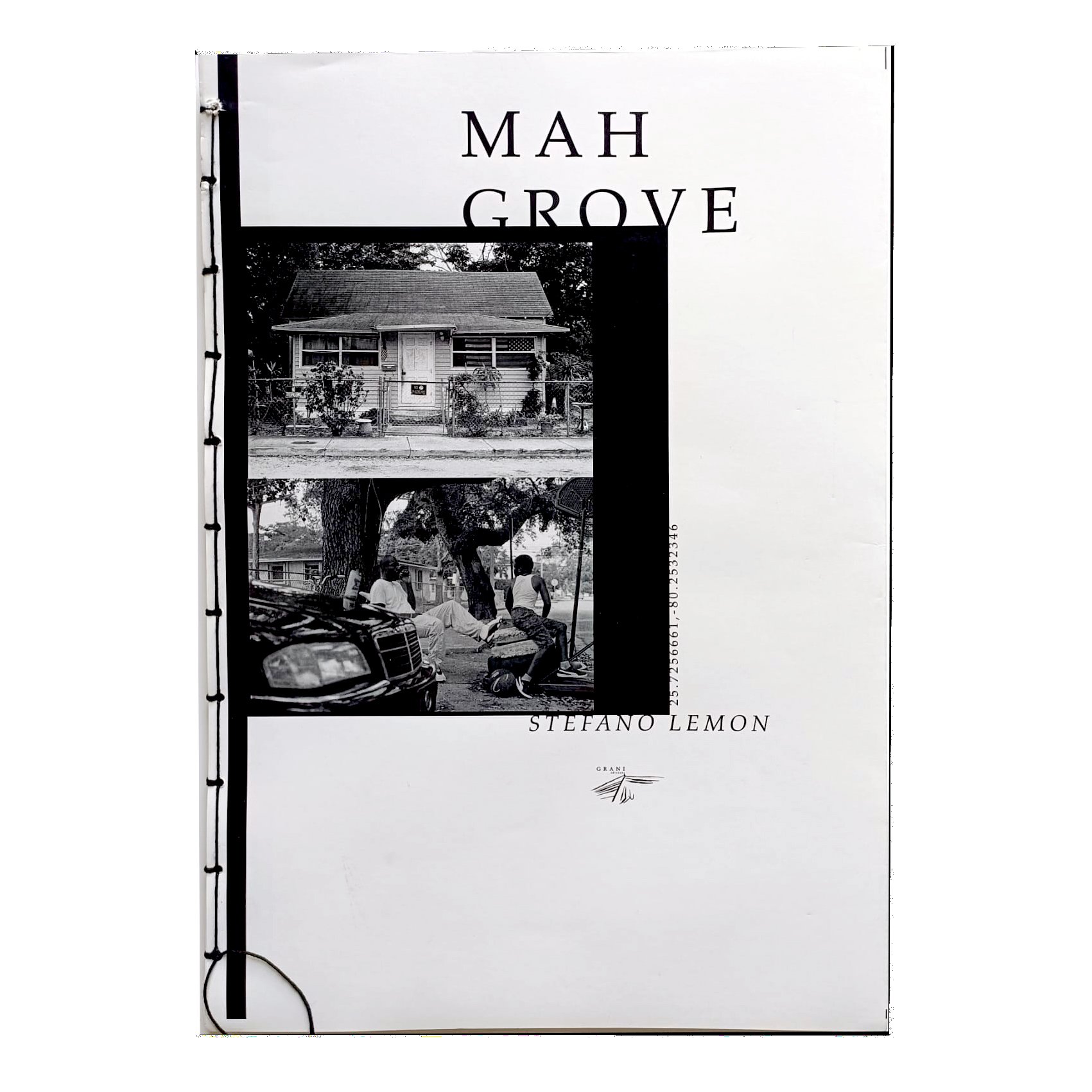 Immagine 1 di 43
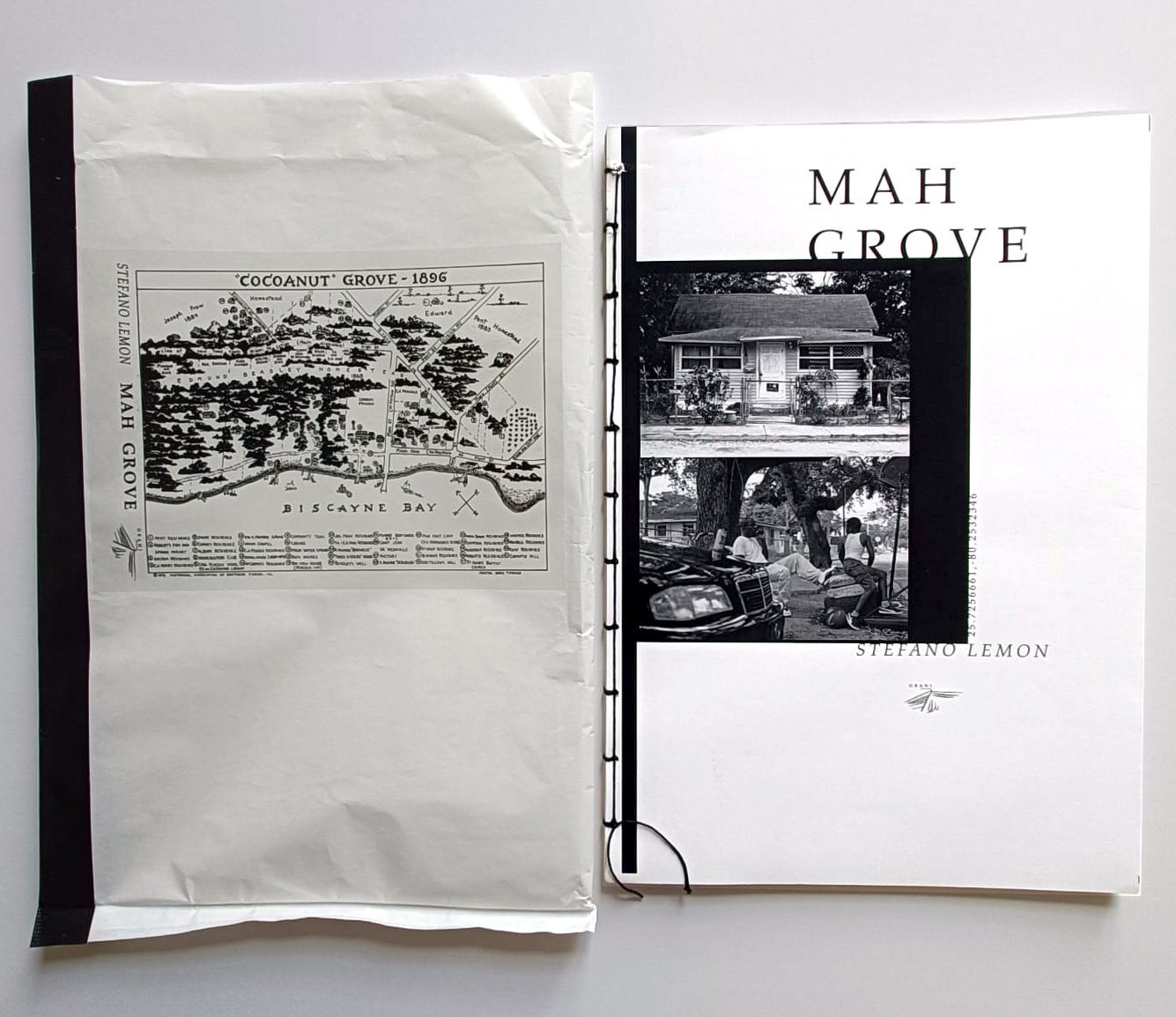 Immagine 2 di 43
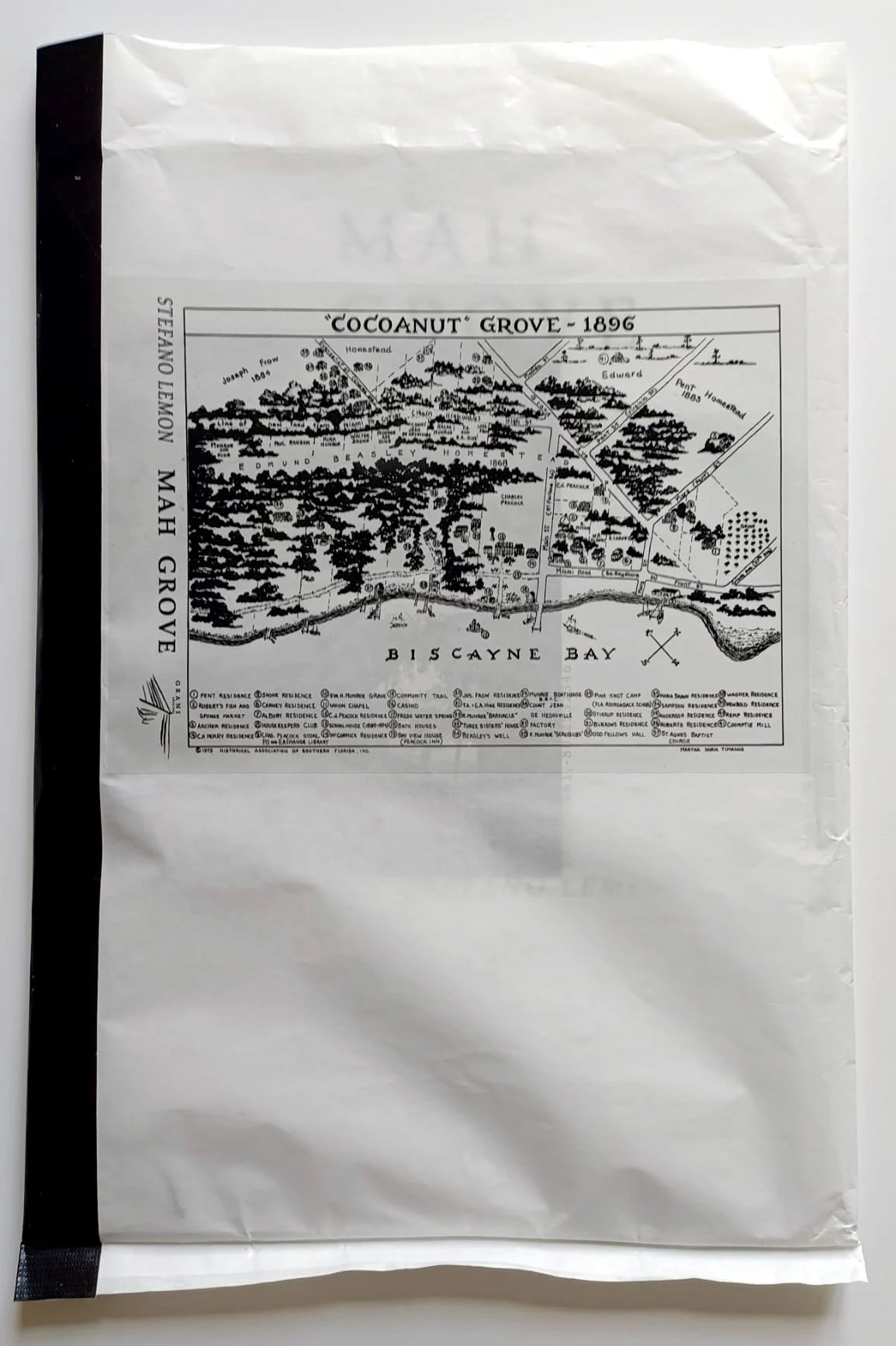 Immagine 3 di 43
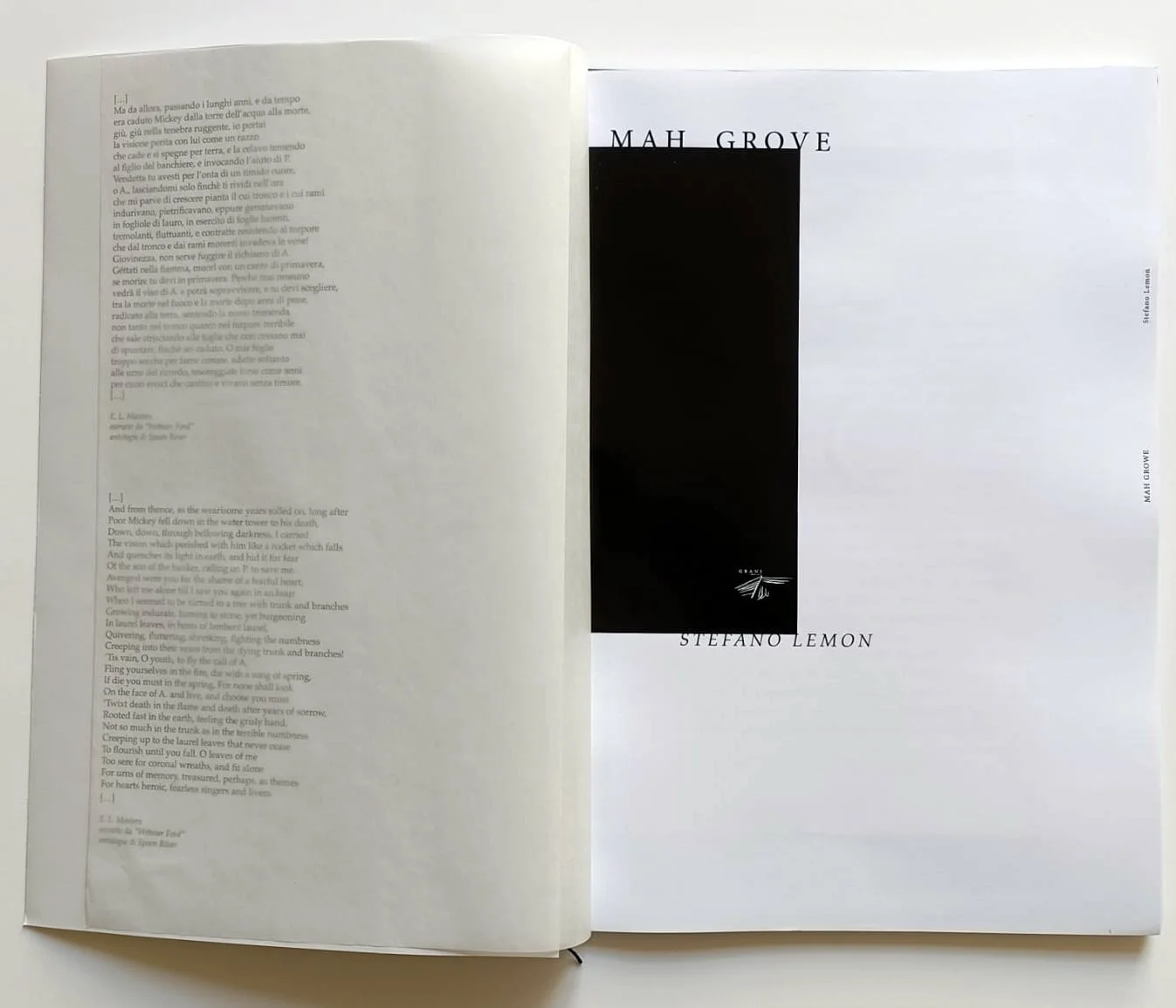 Immagine 4 di 43
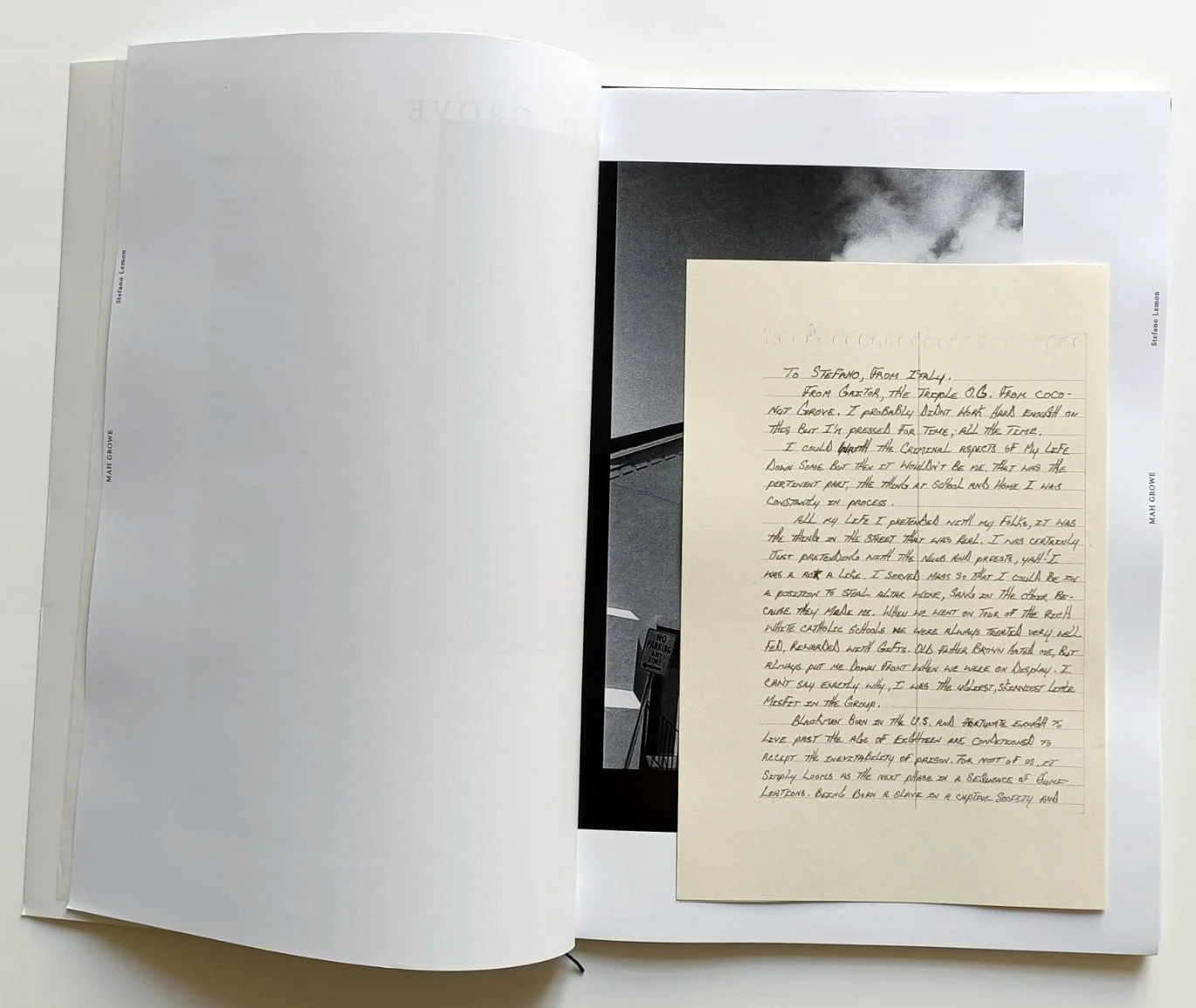 Immagine 5 di 43
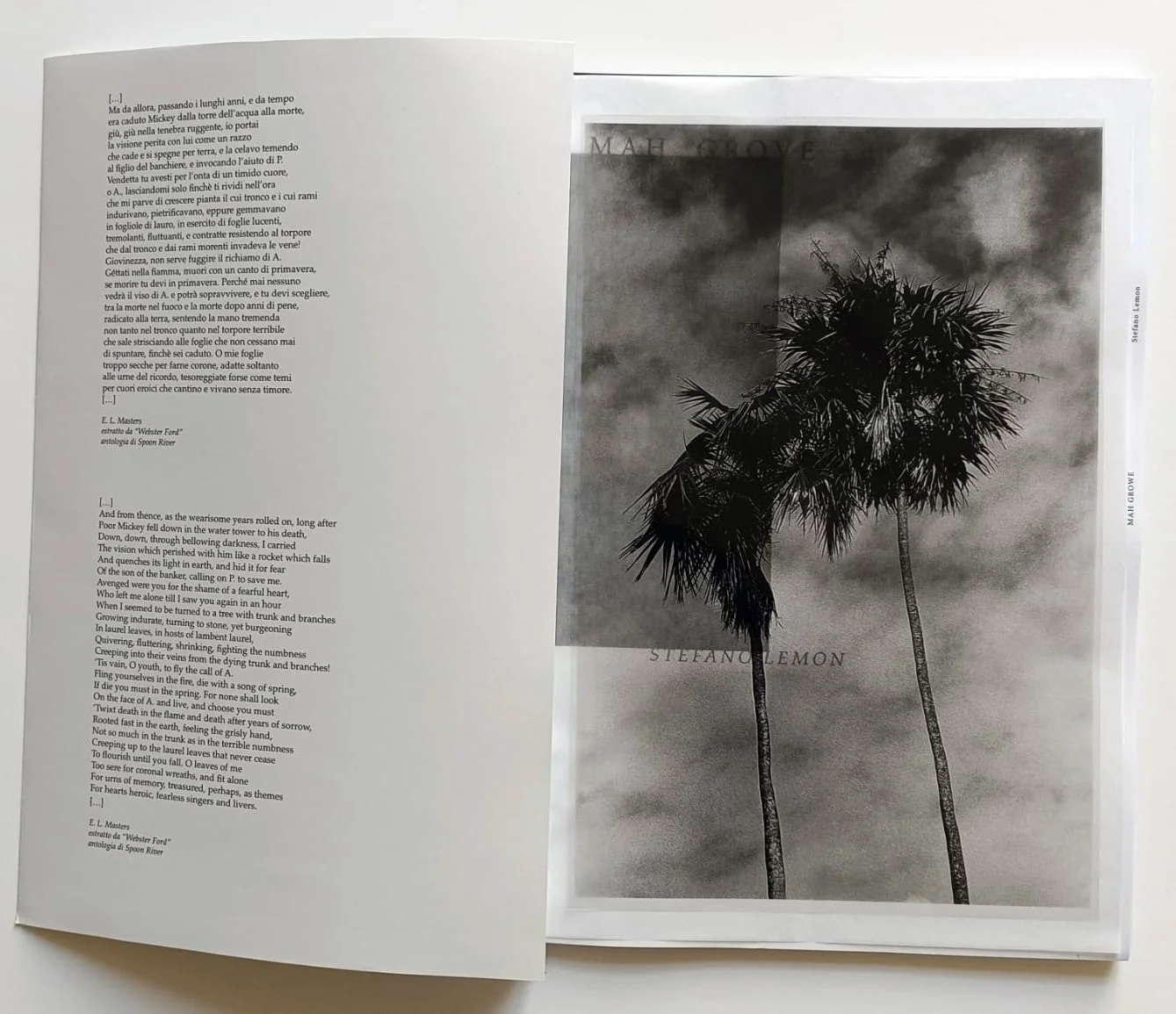 Immagine 6 di 43
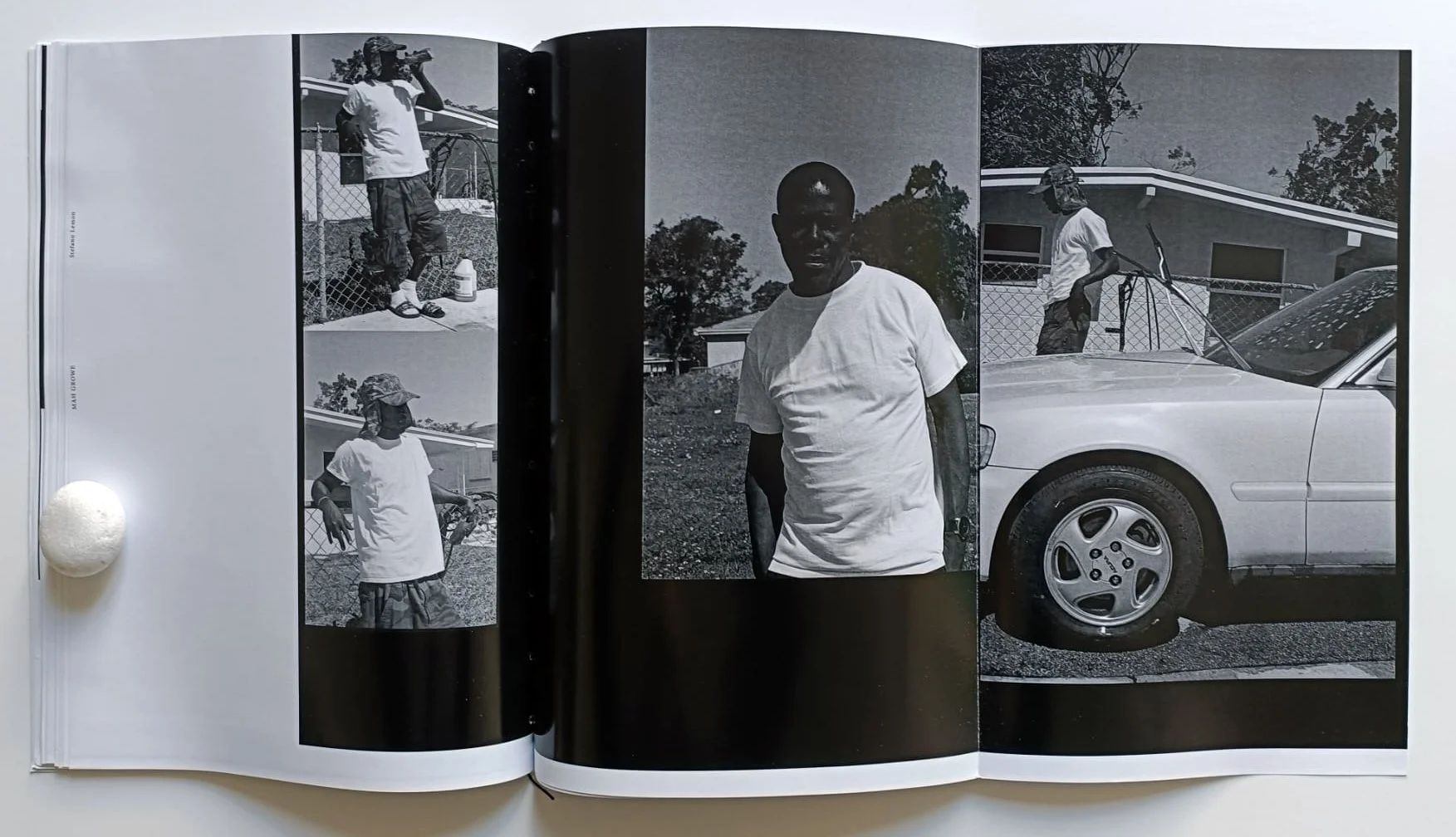 Immagine 7 di 43
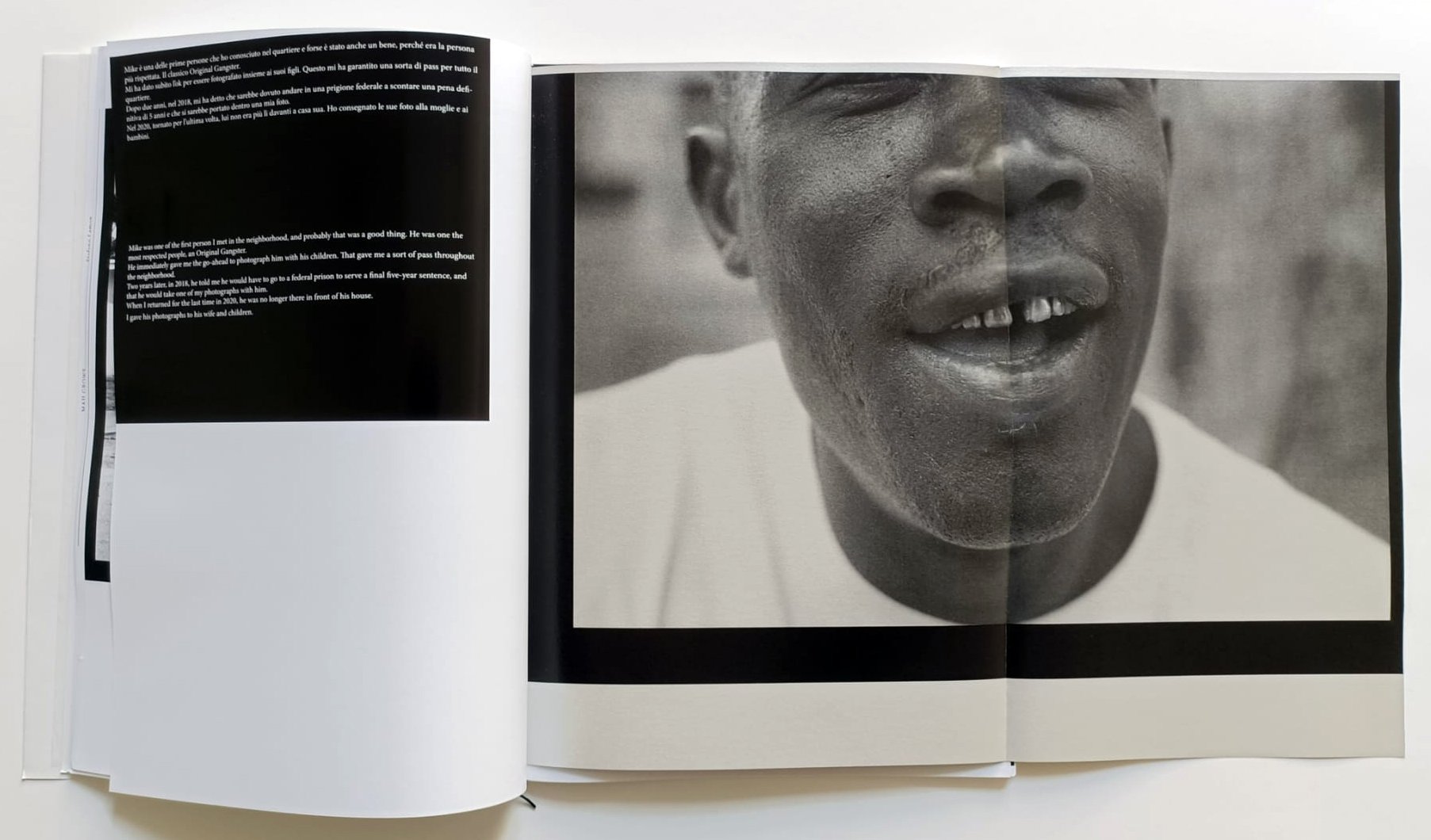 Immagine 8 di 43
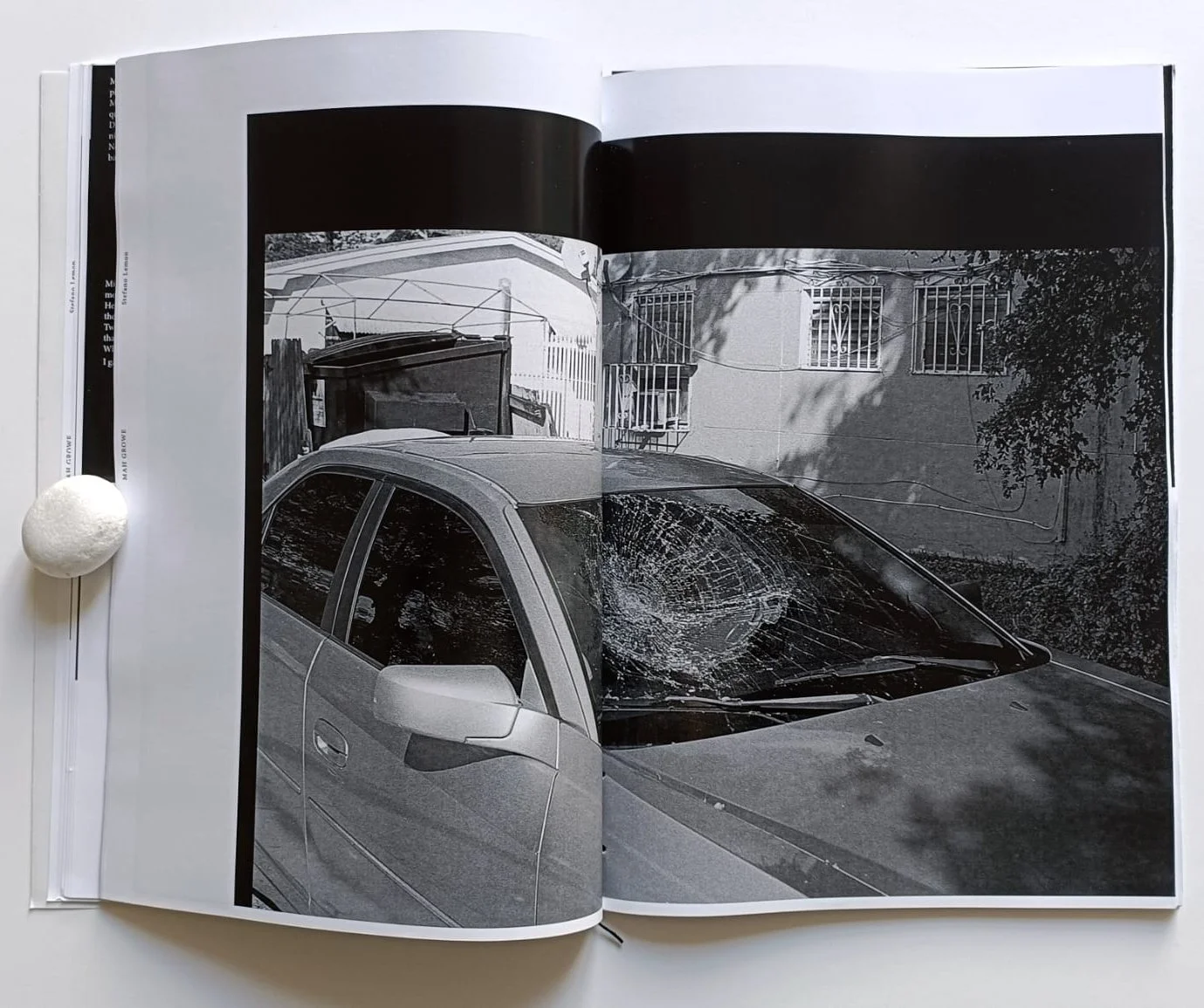 Immagine 9 di 43
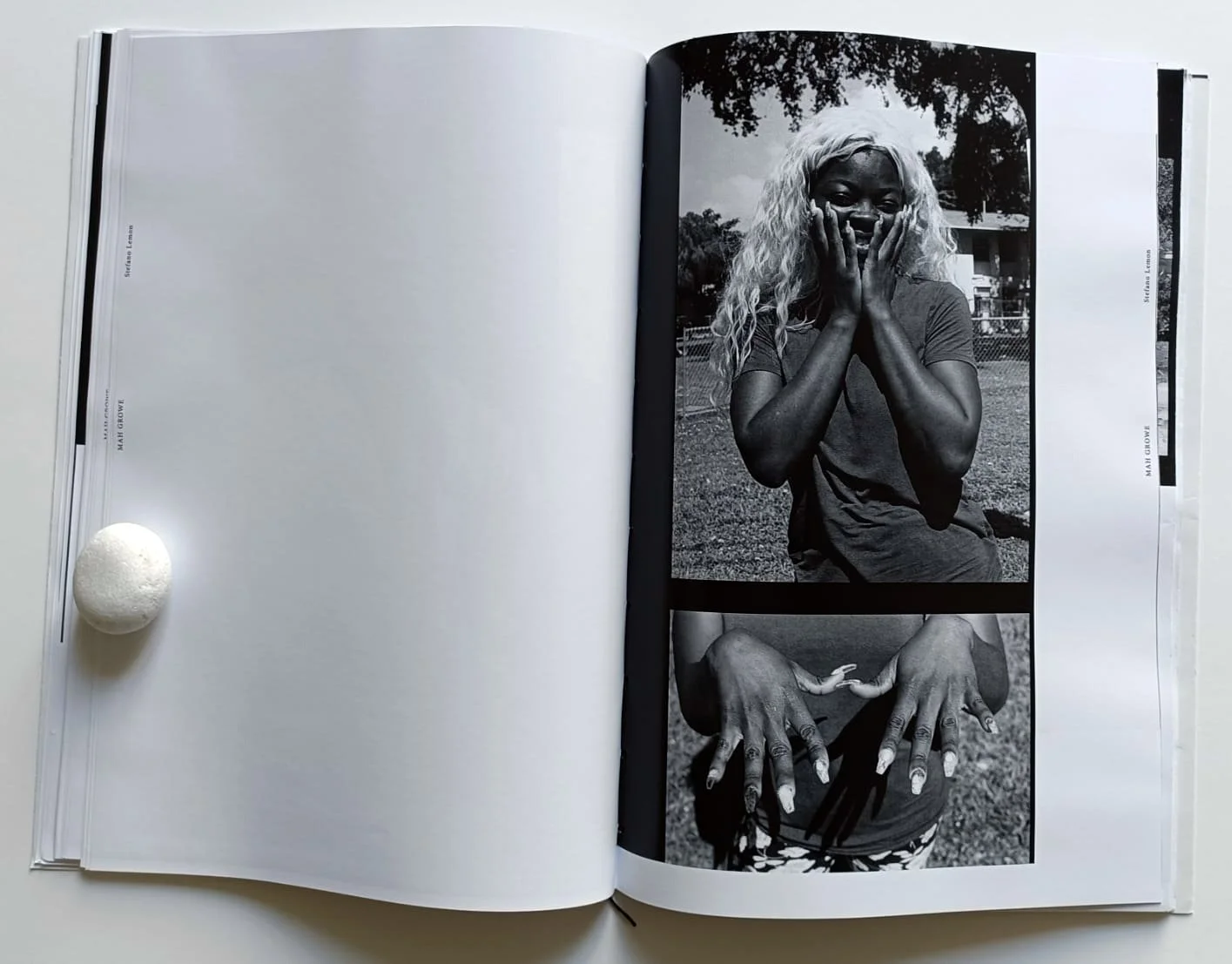 Immagine 10 di 43
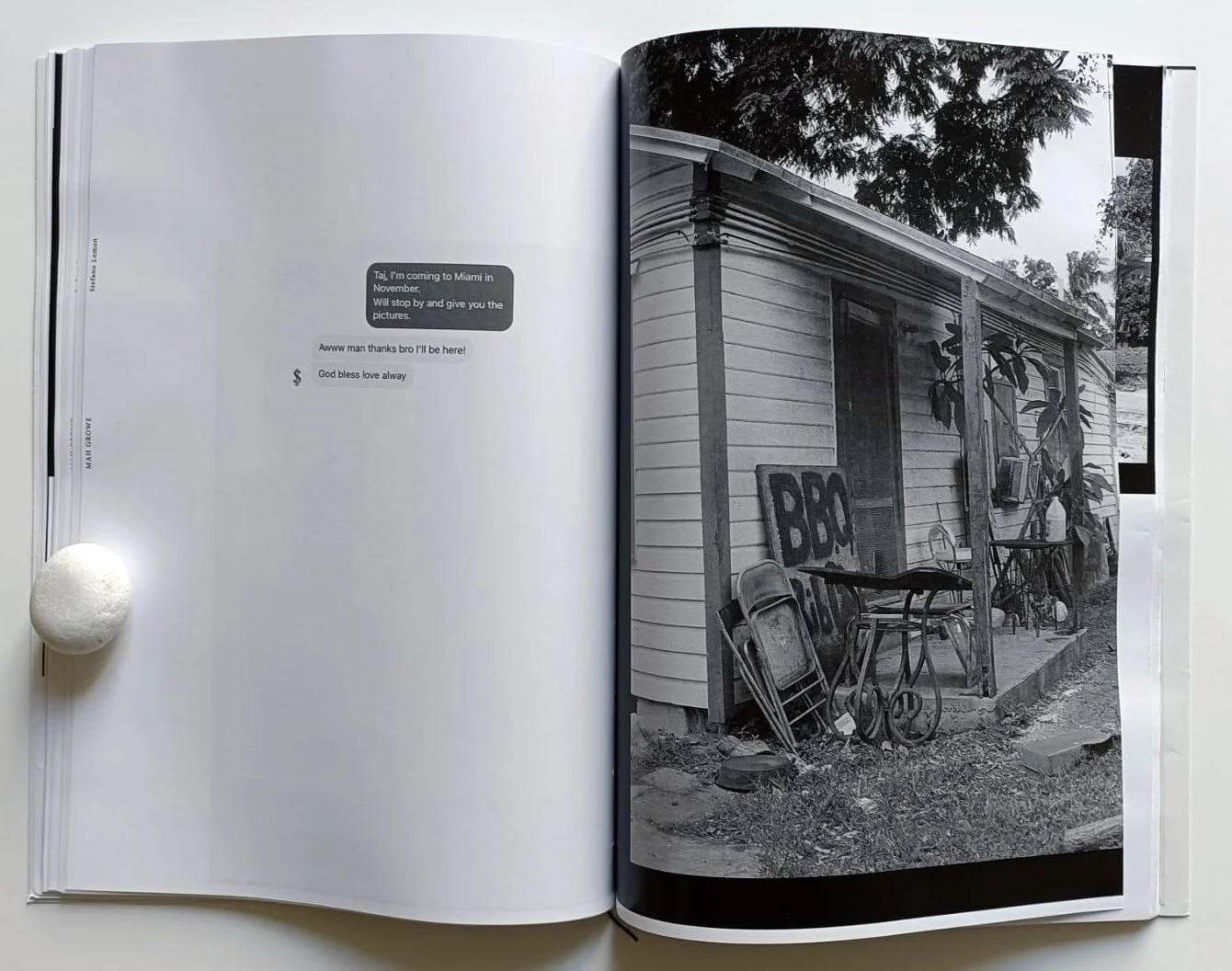 Immagine 11 di 43
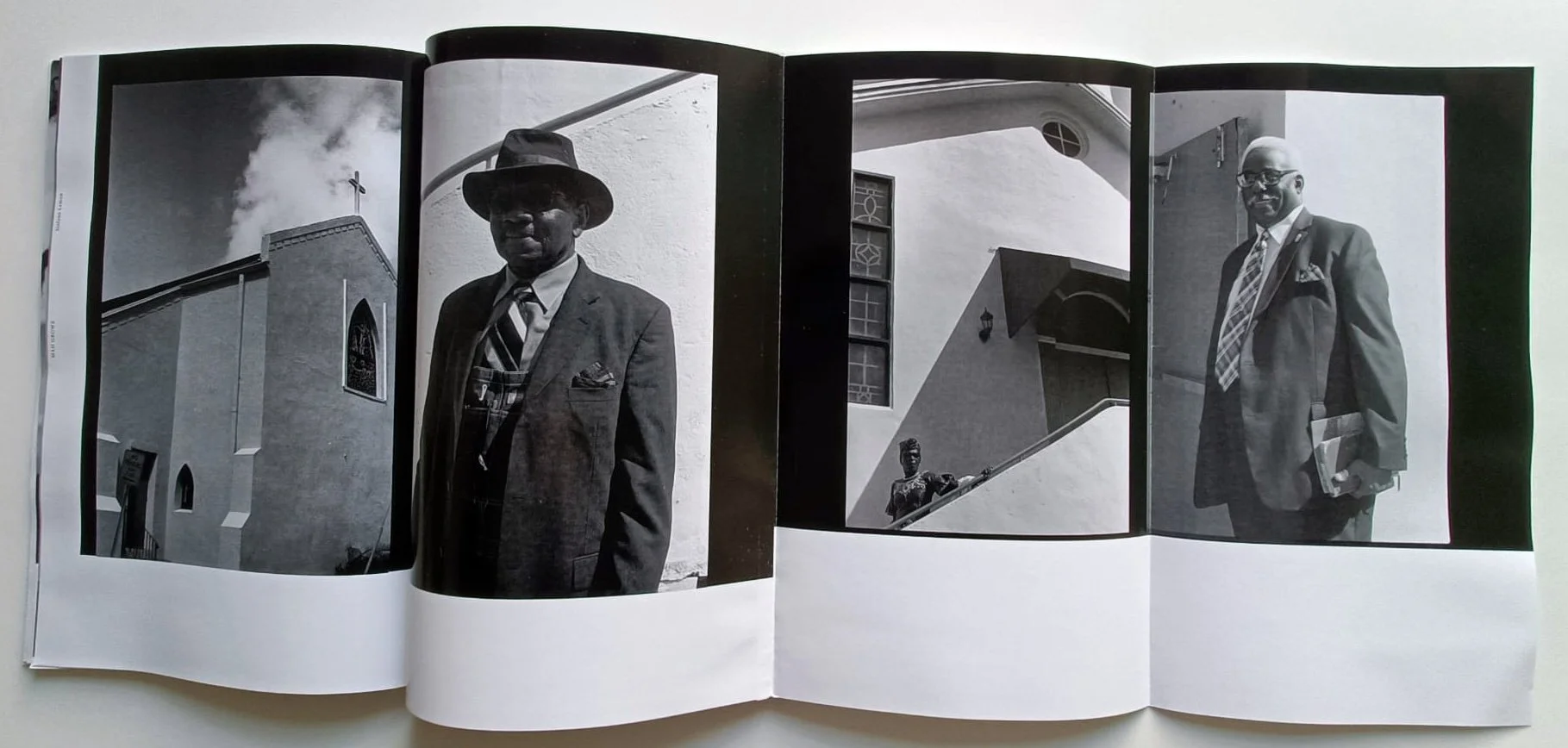 Immagine 12 di 43
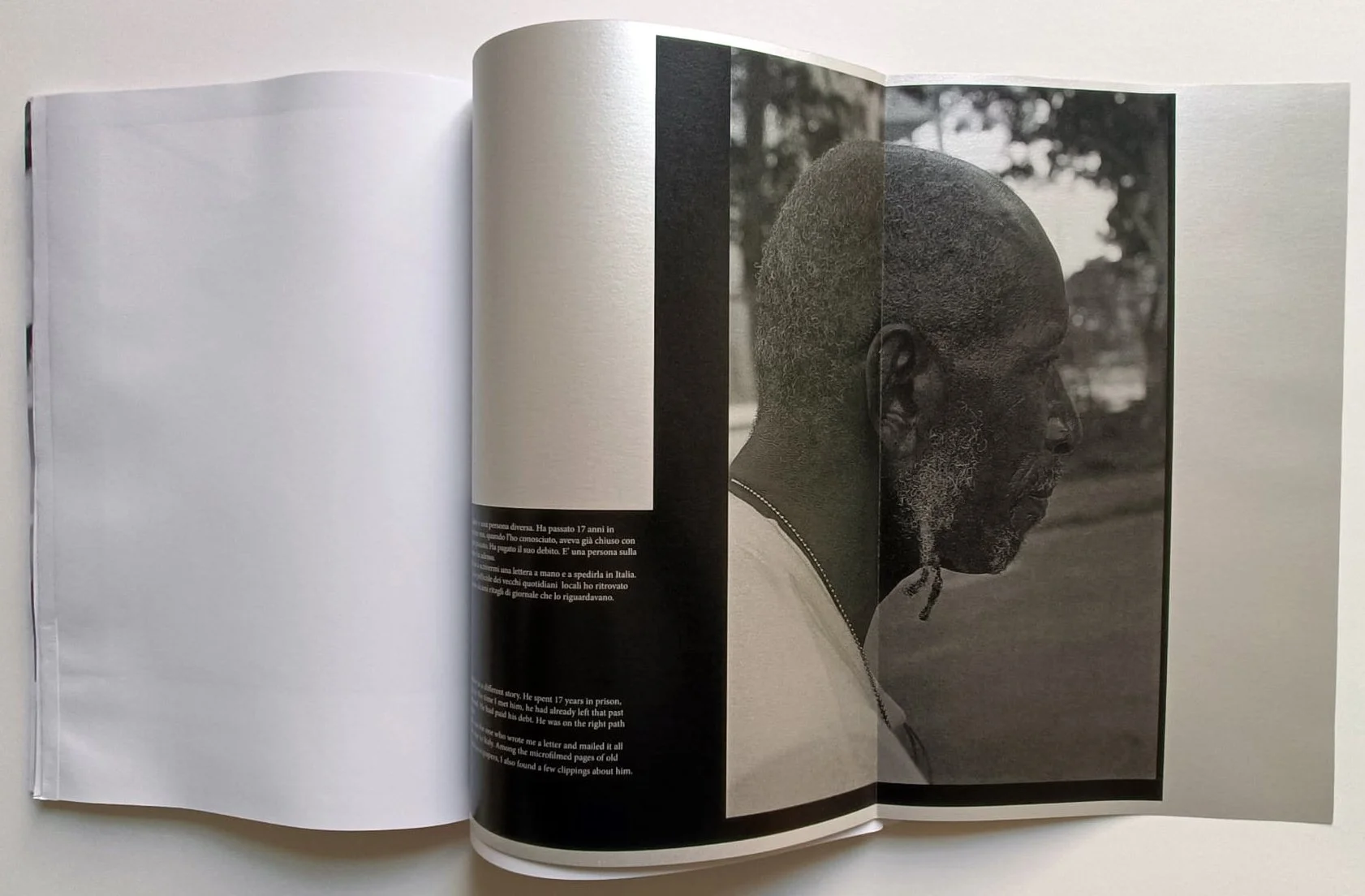 Immagine 13 di 43
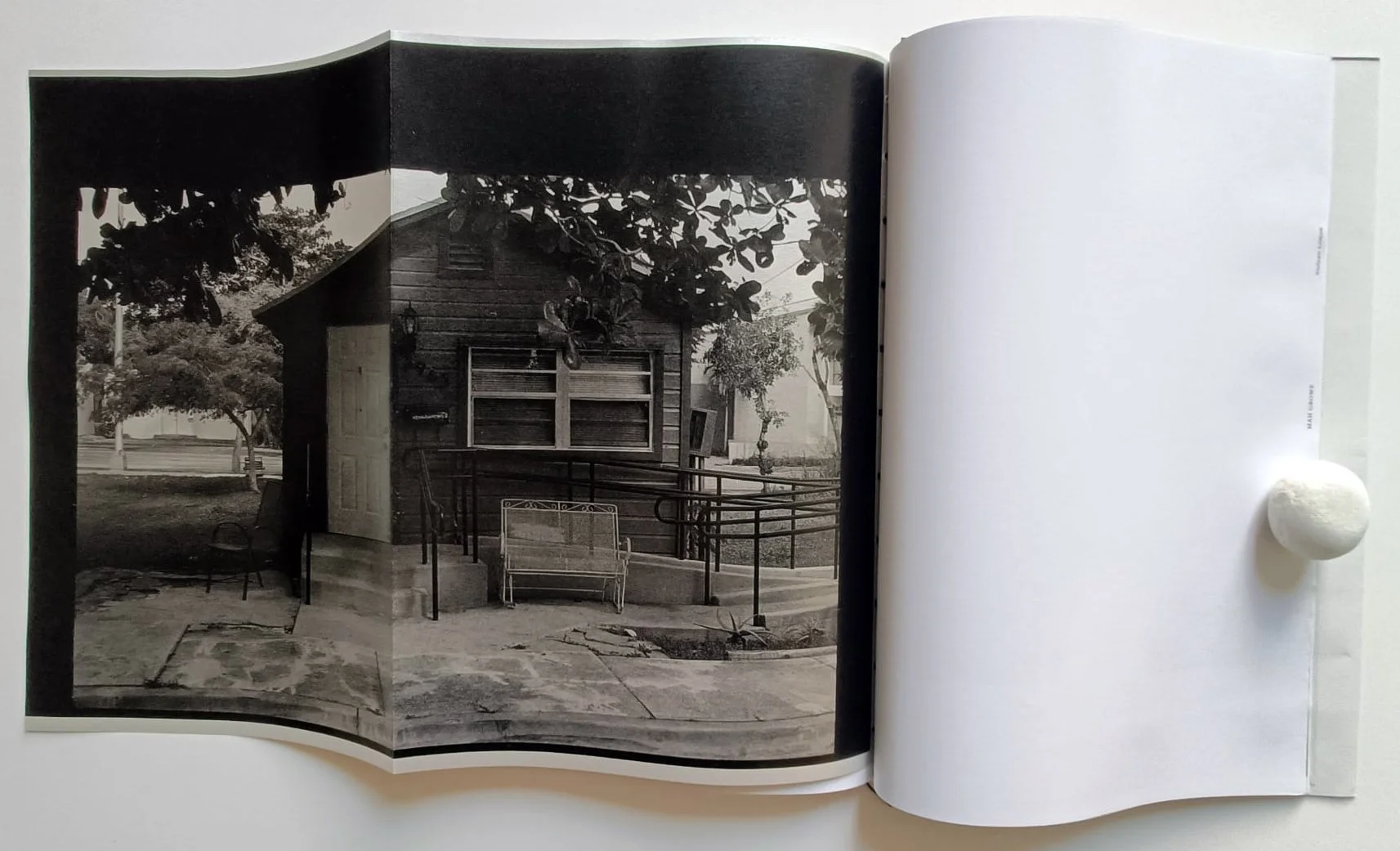 Immagine 14 di 43
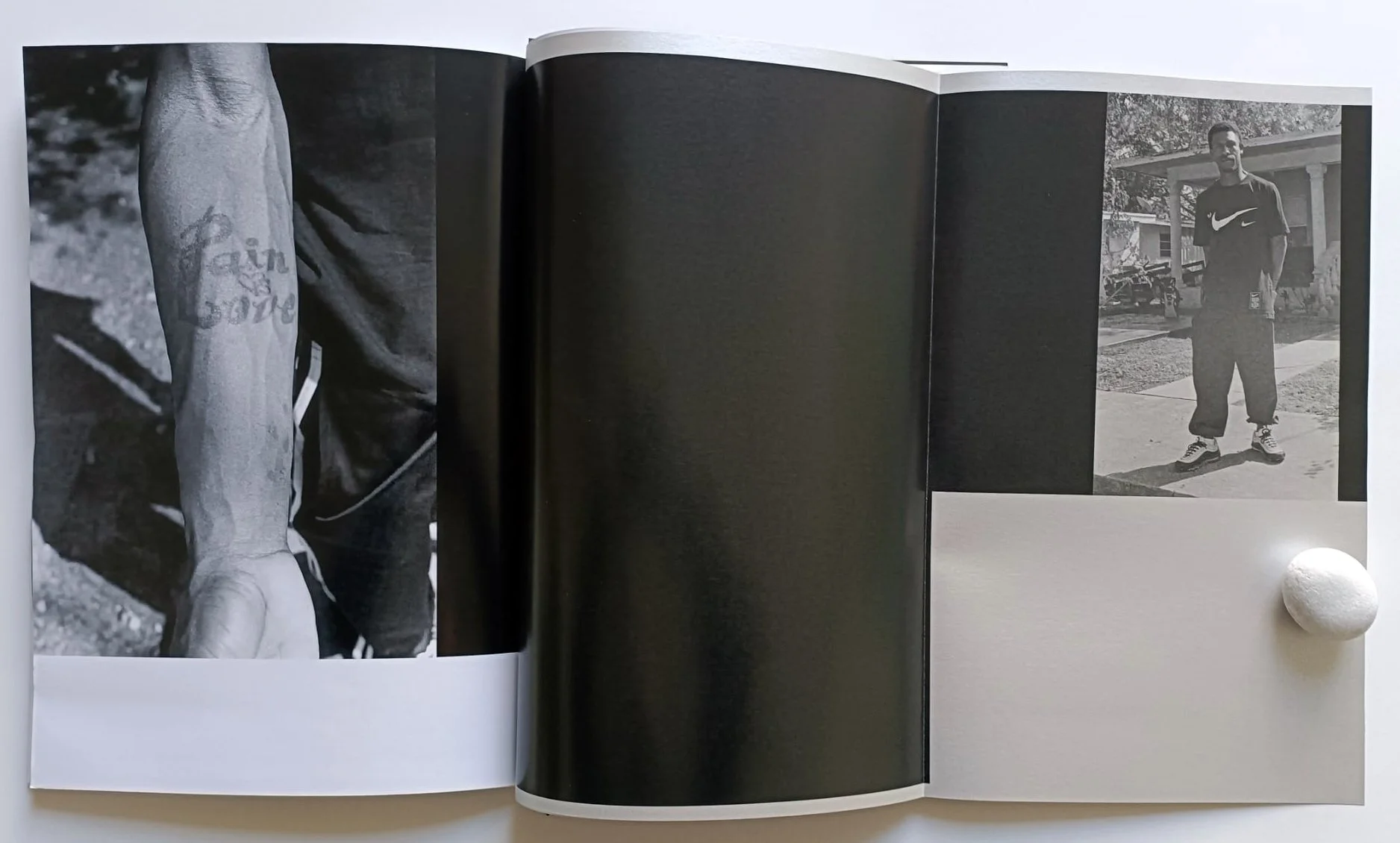 Immagine 15 di 43
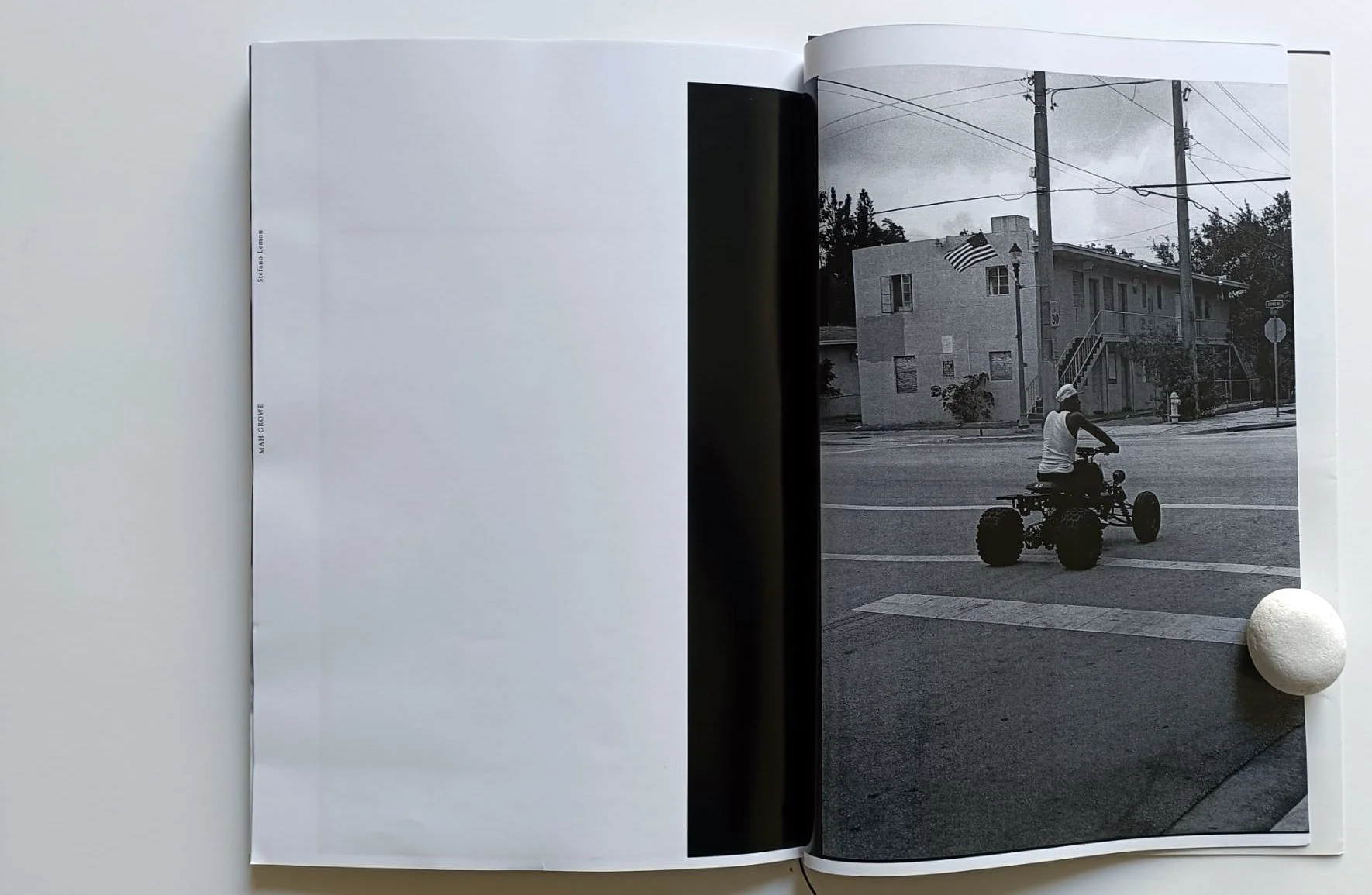 Immagine 16 di 43
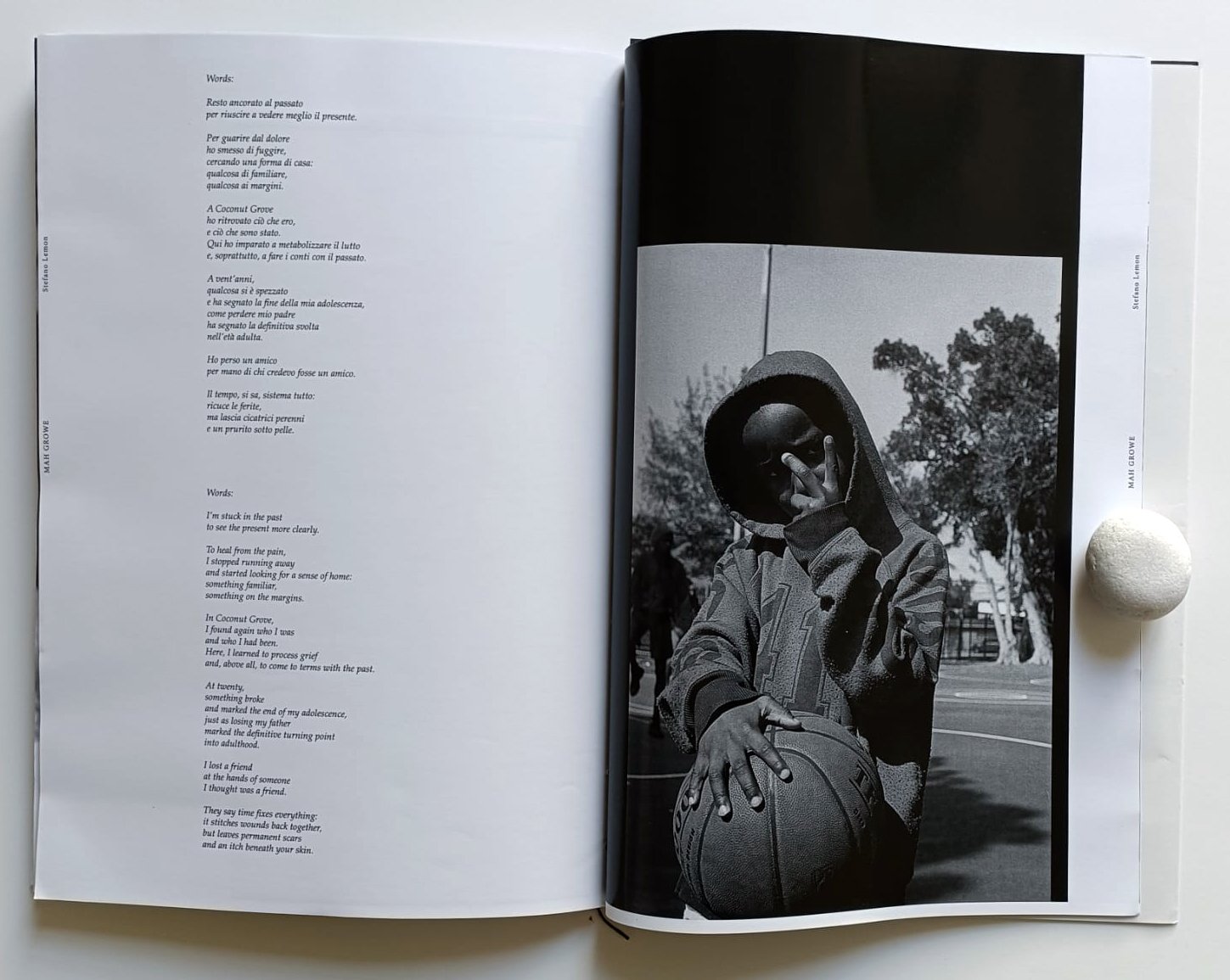 Immagine 17 di 43
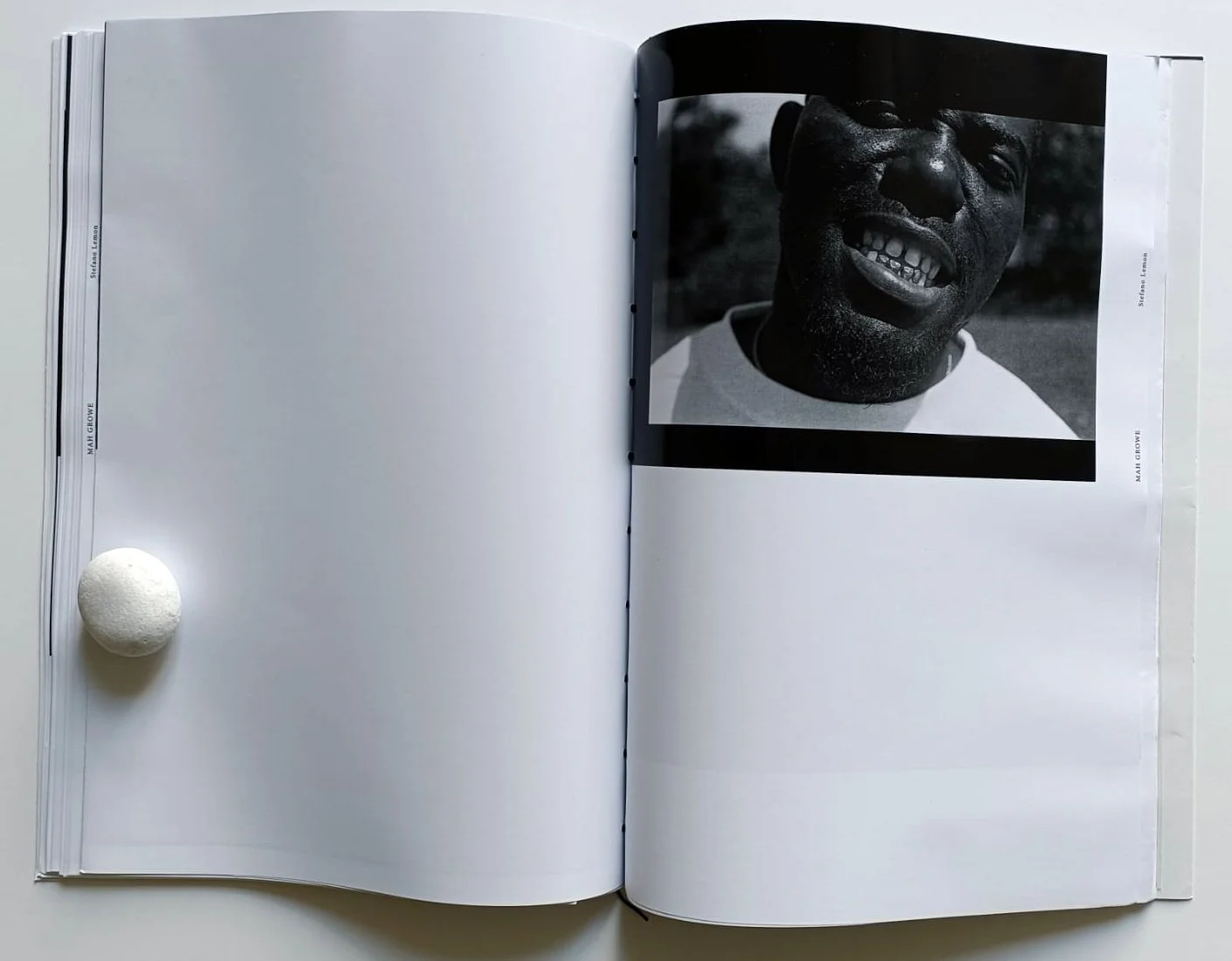 Immagine 18 di 43
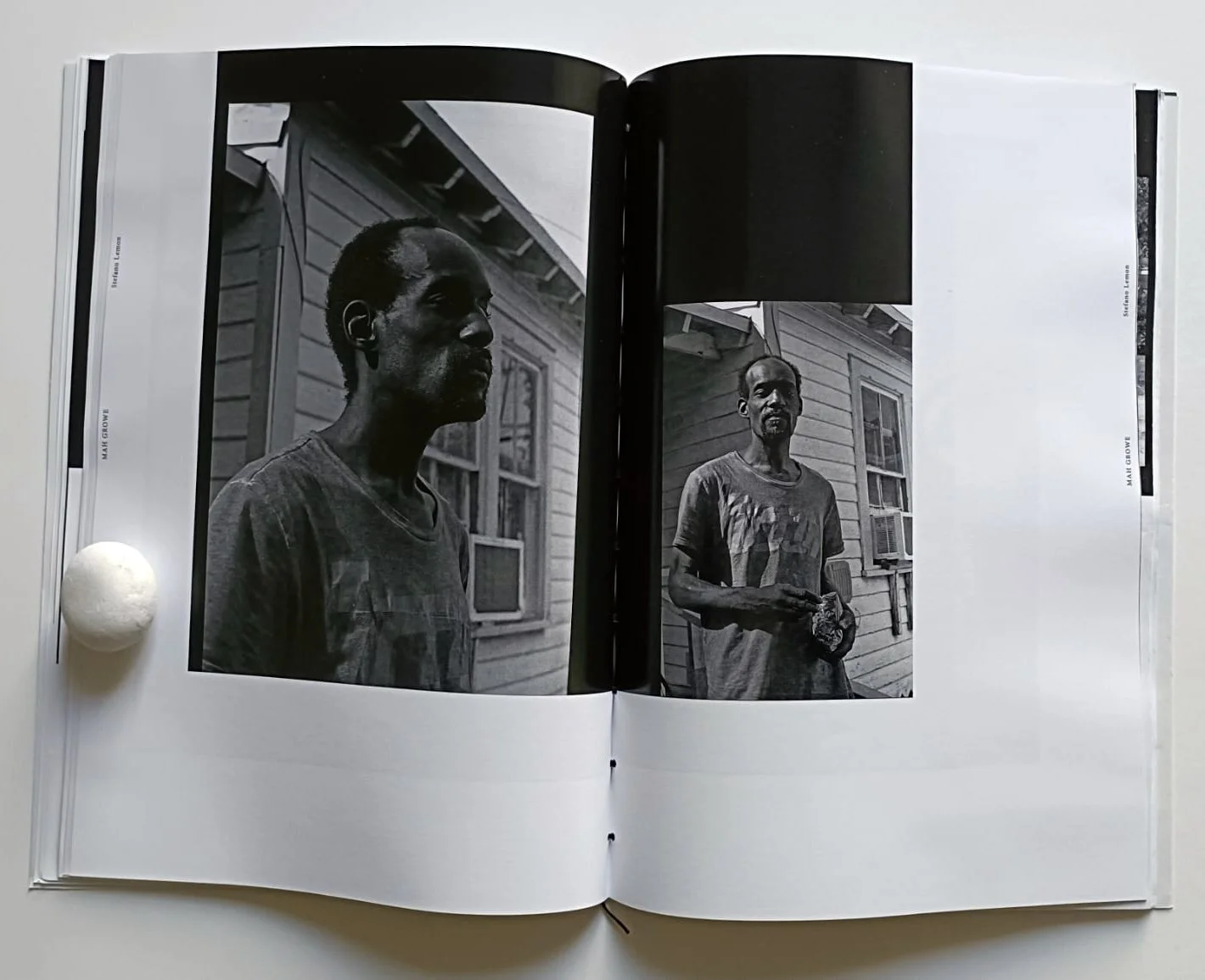 Immagine 19 di 43
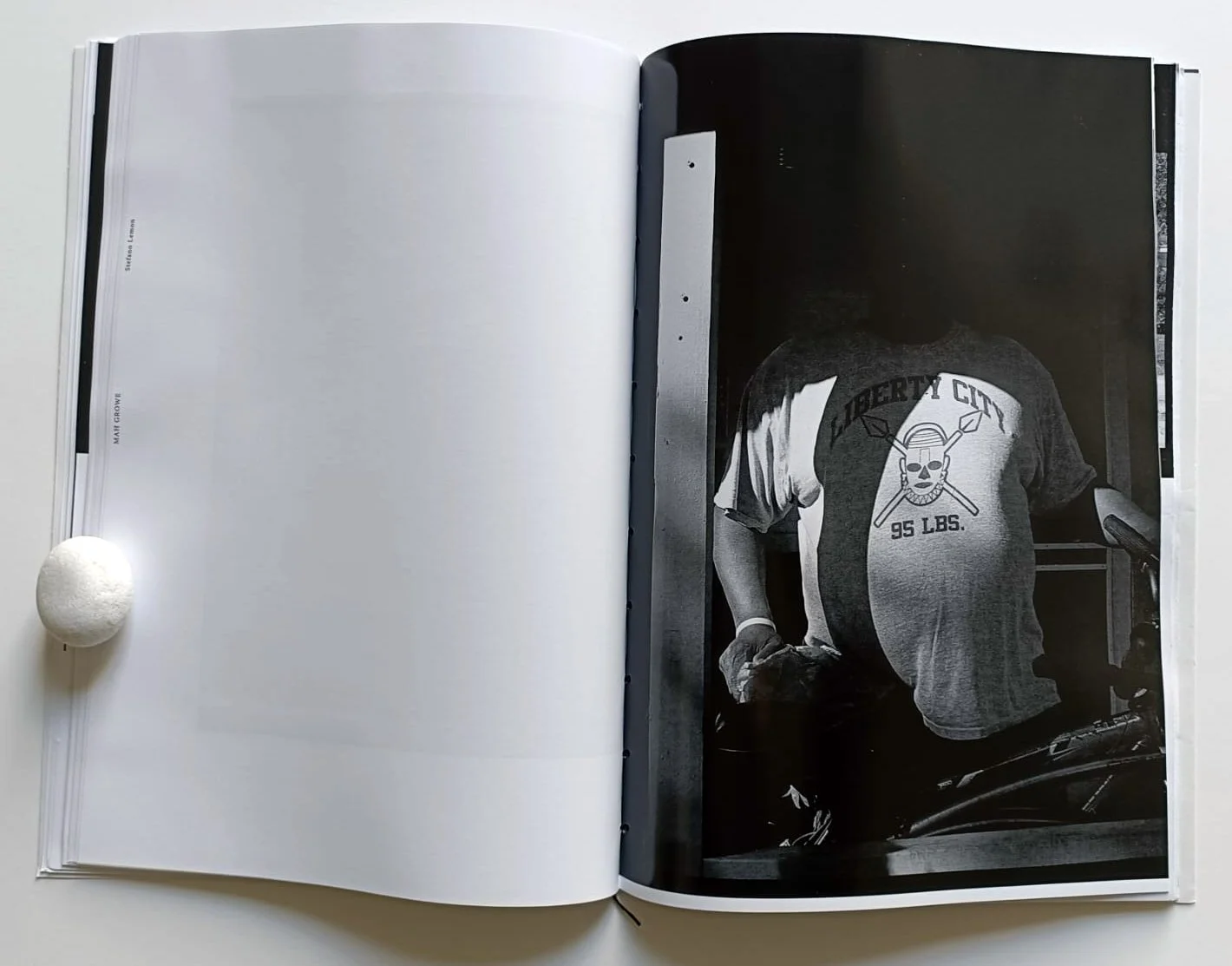 Immagine 20 di 43
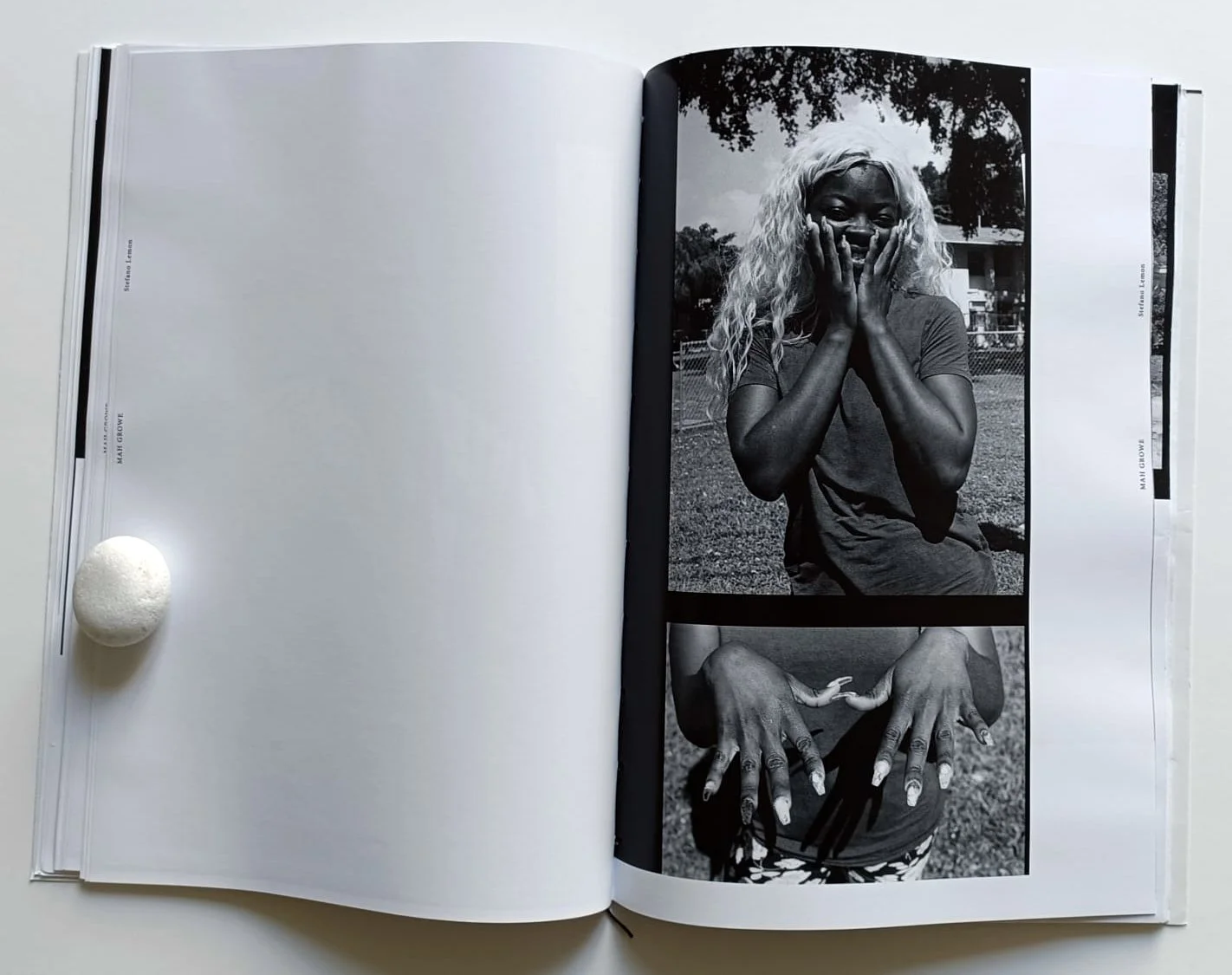 Immagine 21 di 43
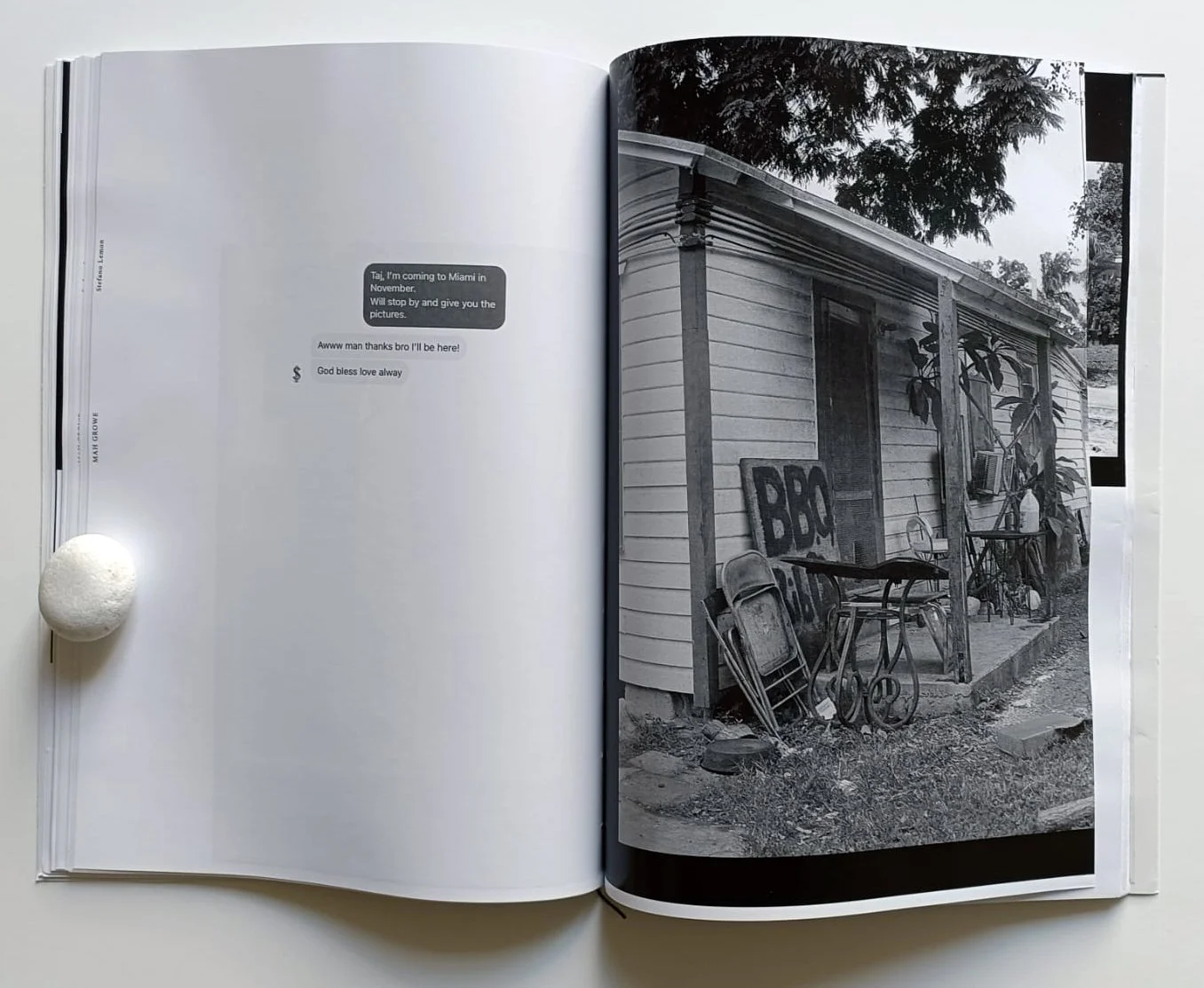 Immagine 22 di 43
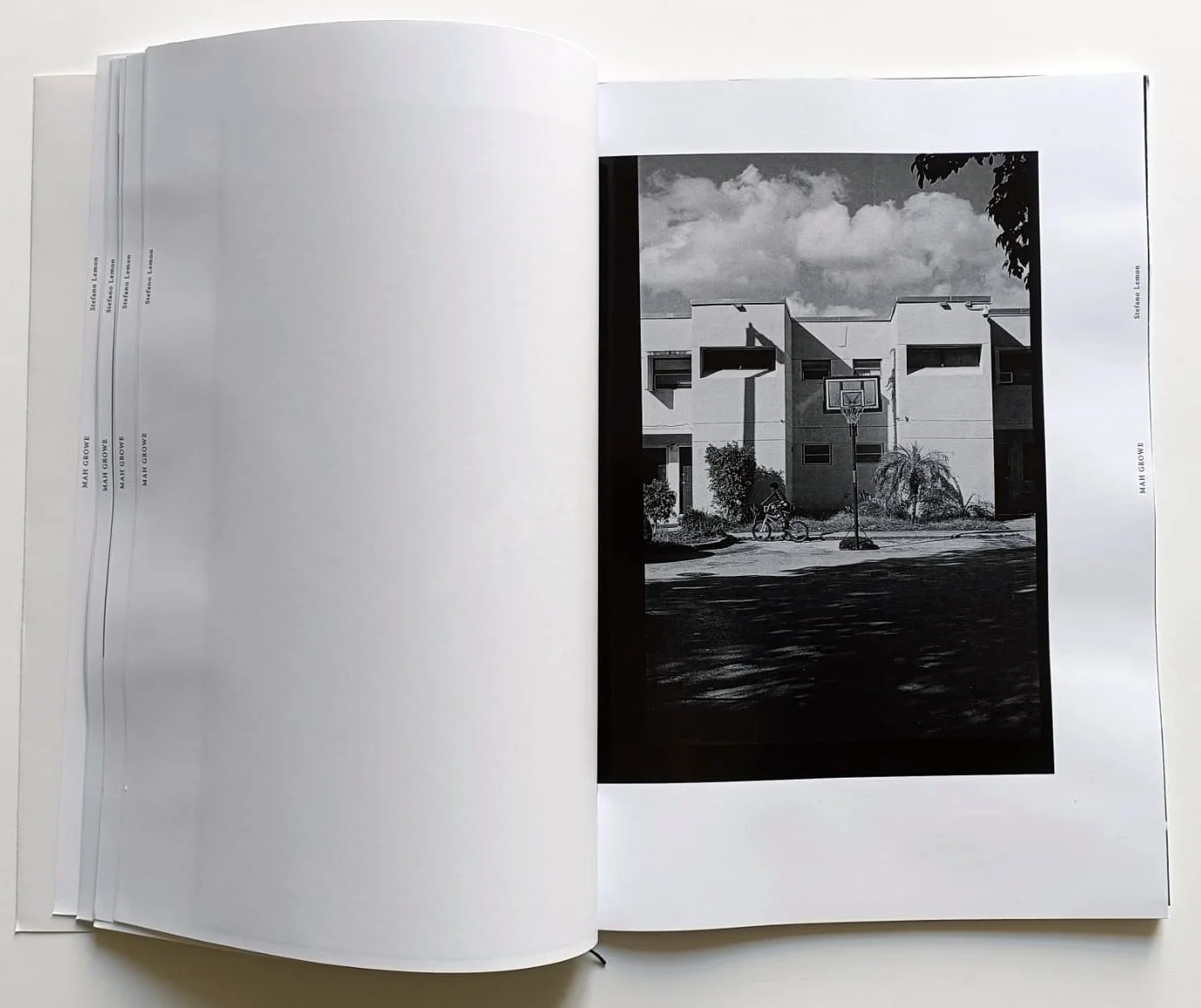 Immagine 23 di 43
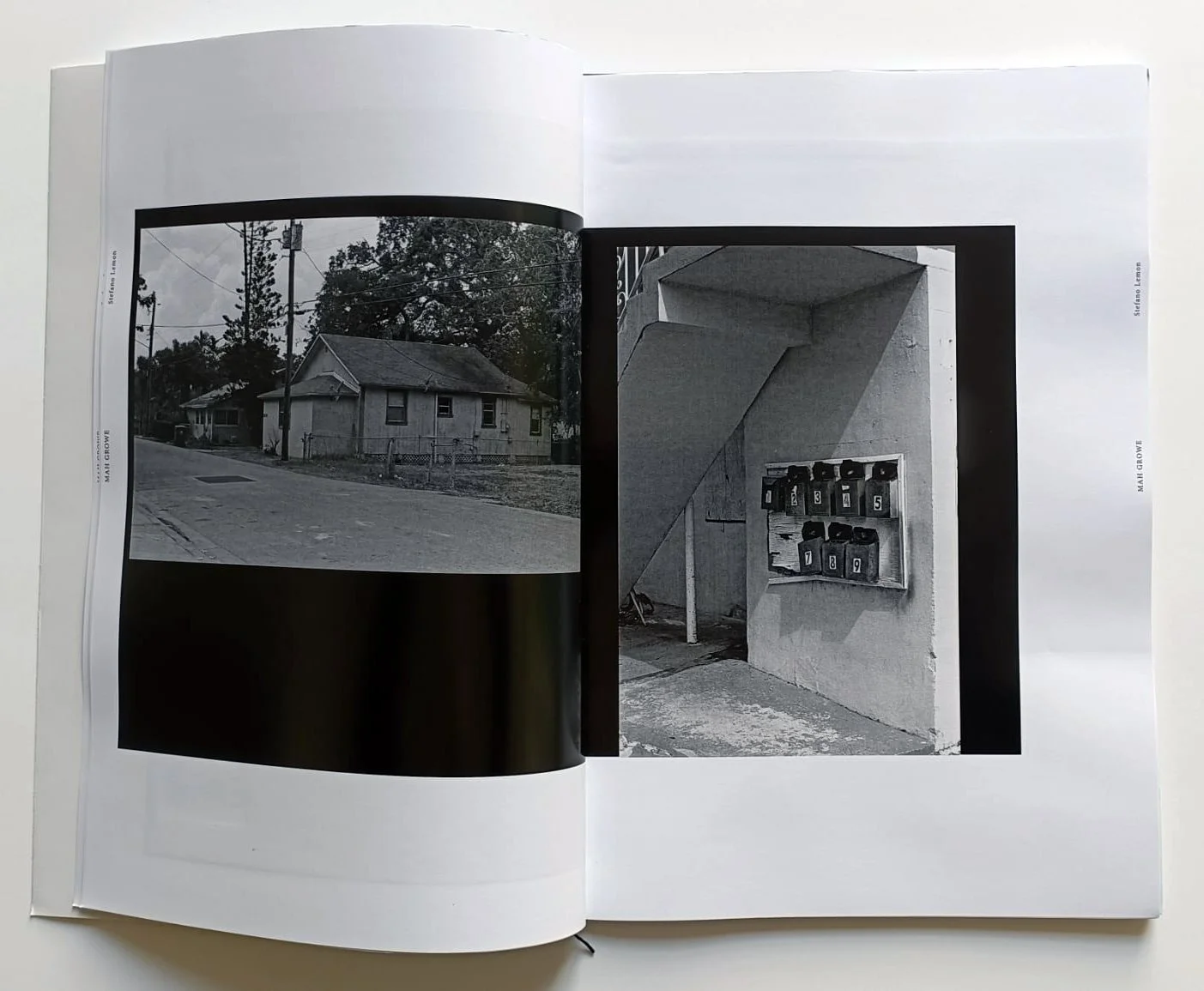 Immagine 24 di 43
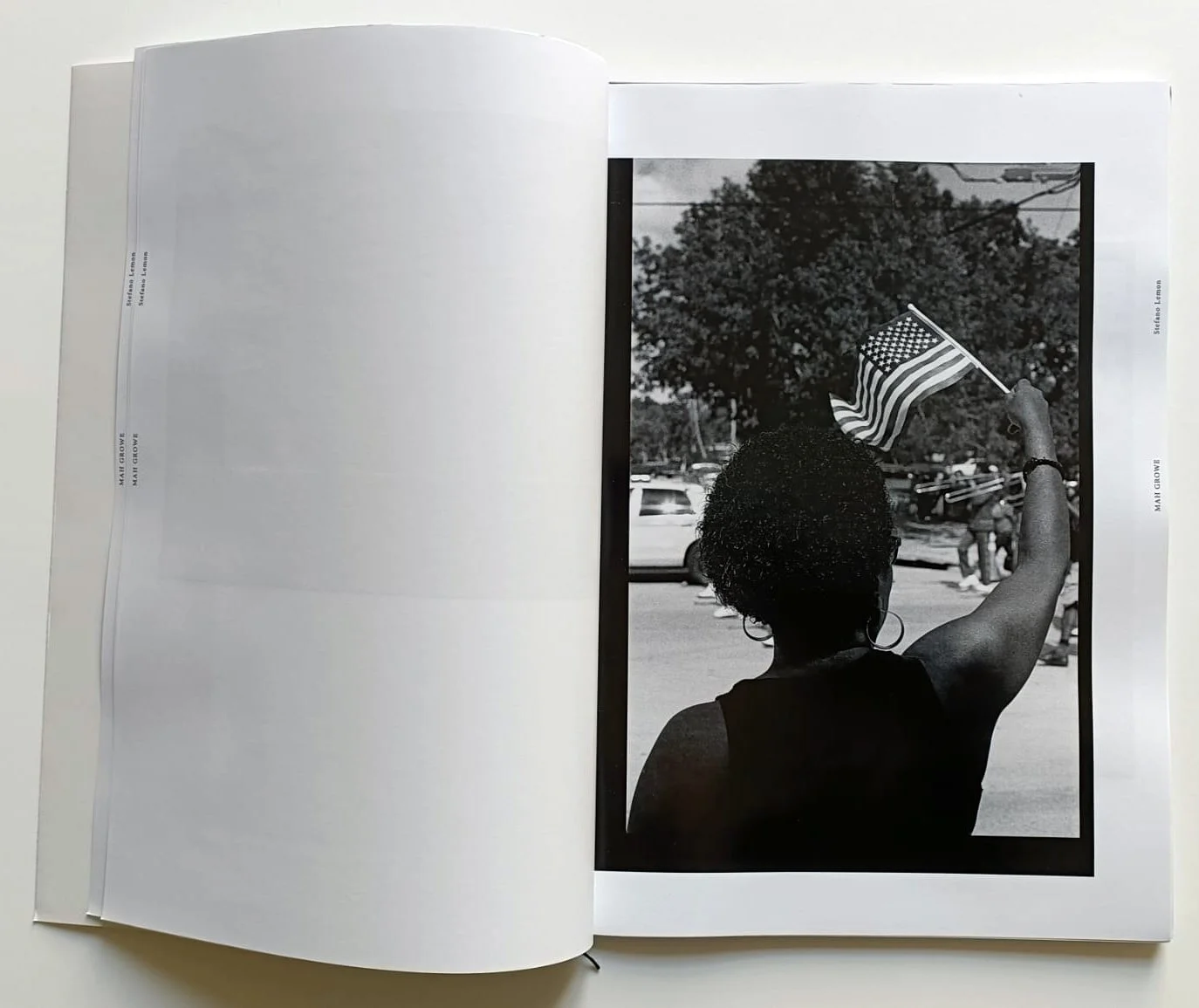 Immagine 25 di 43
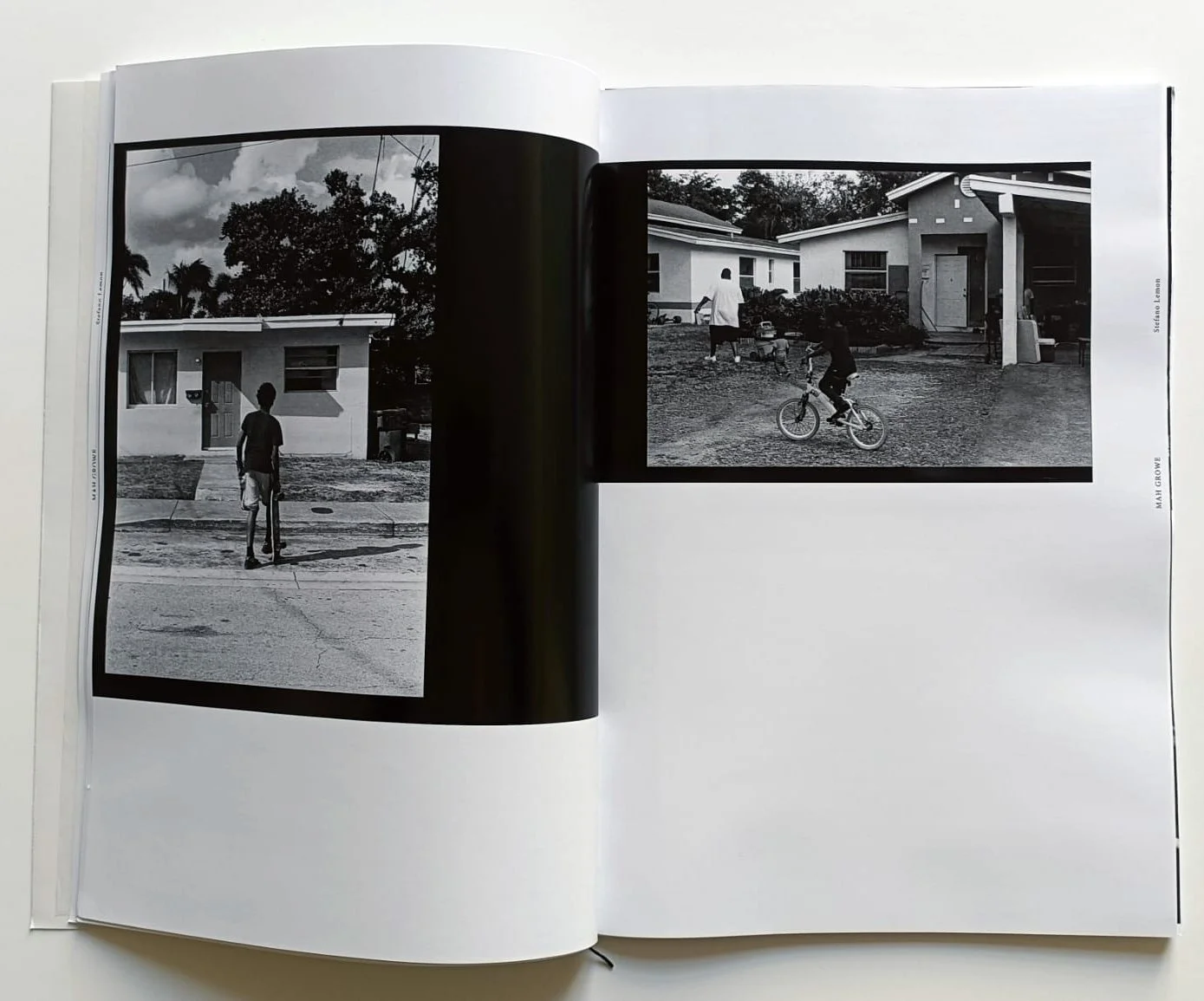 Immagine 26 di 43
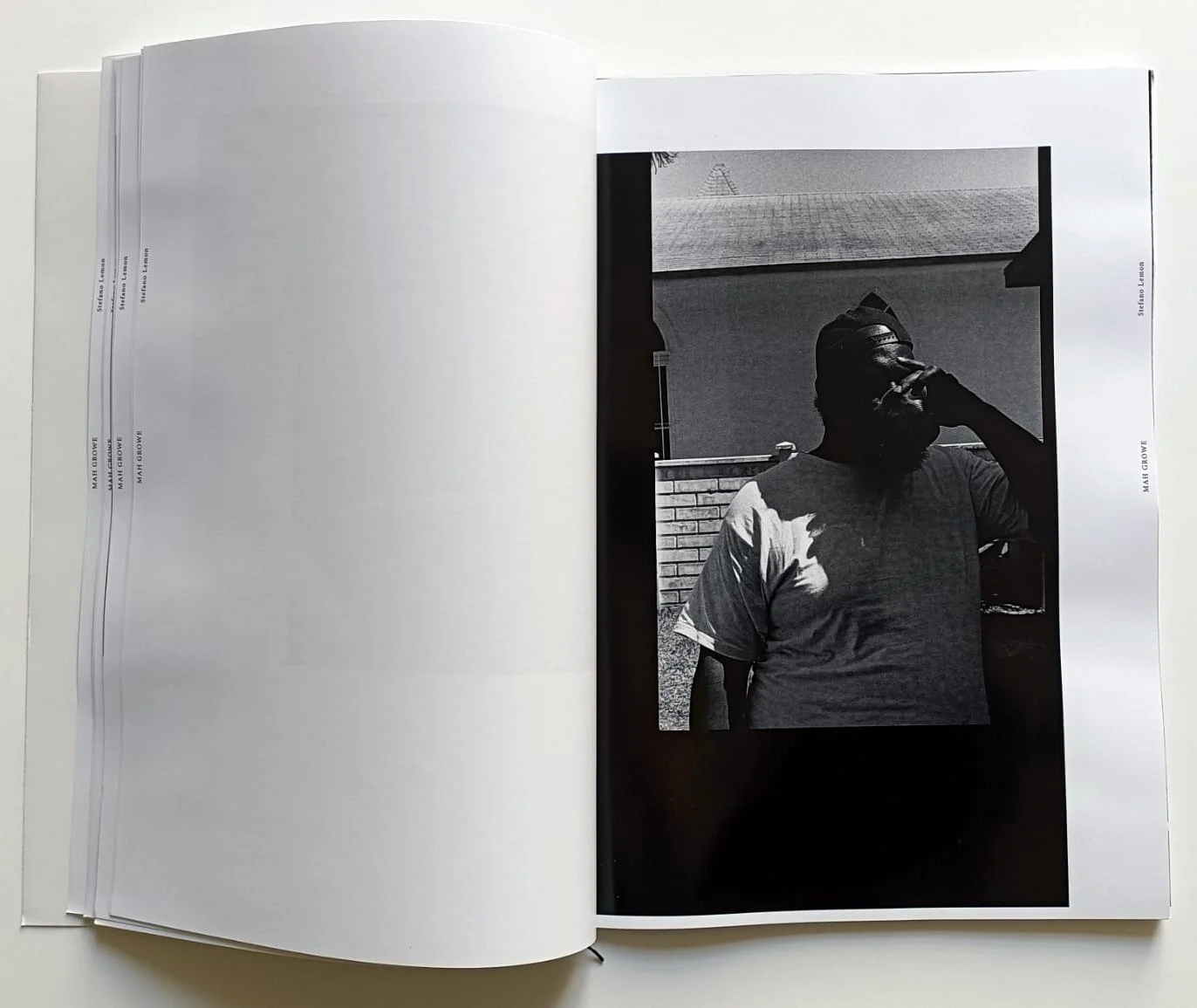 Immagine 27 di 43
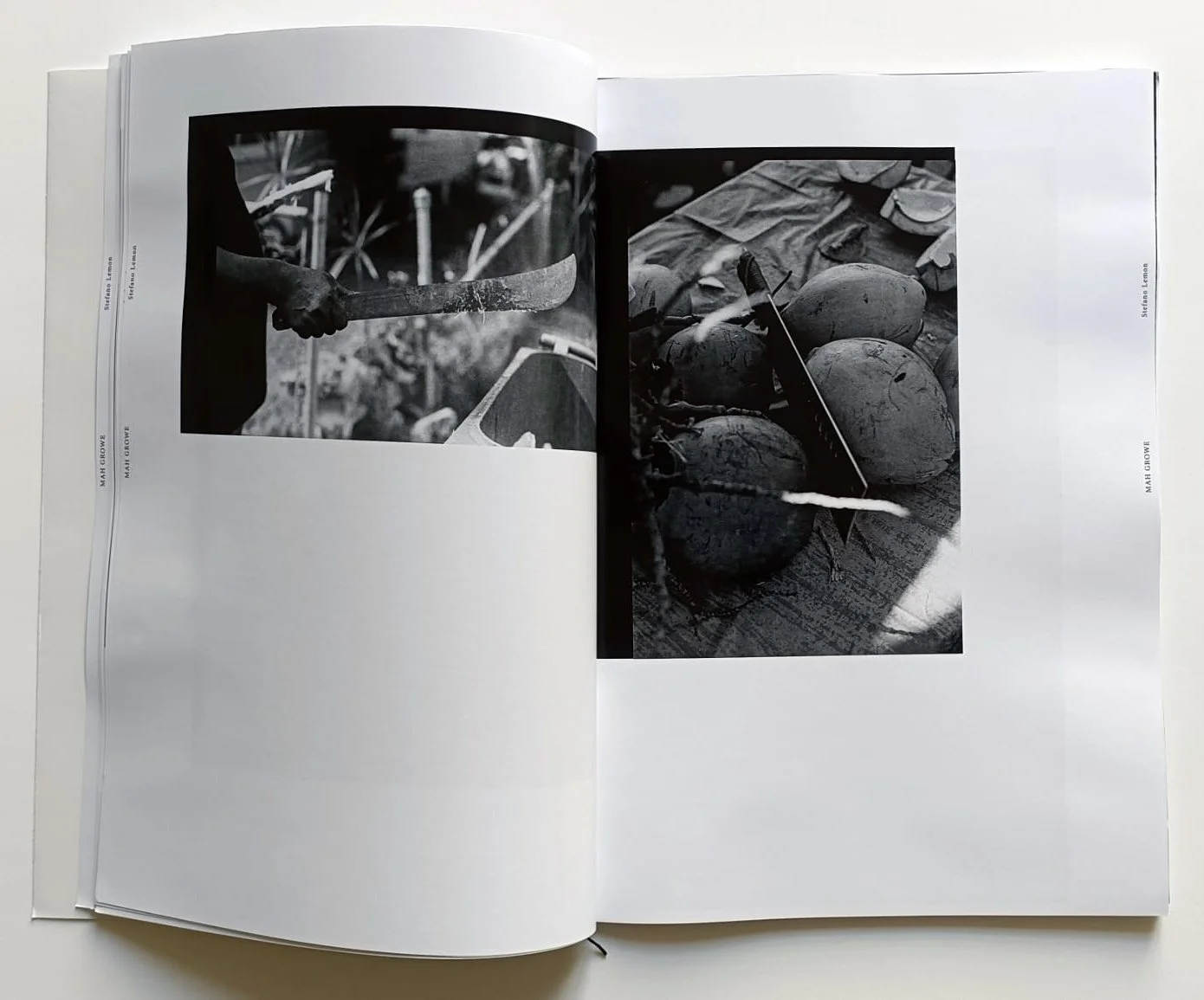 Immagine 28 di 43
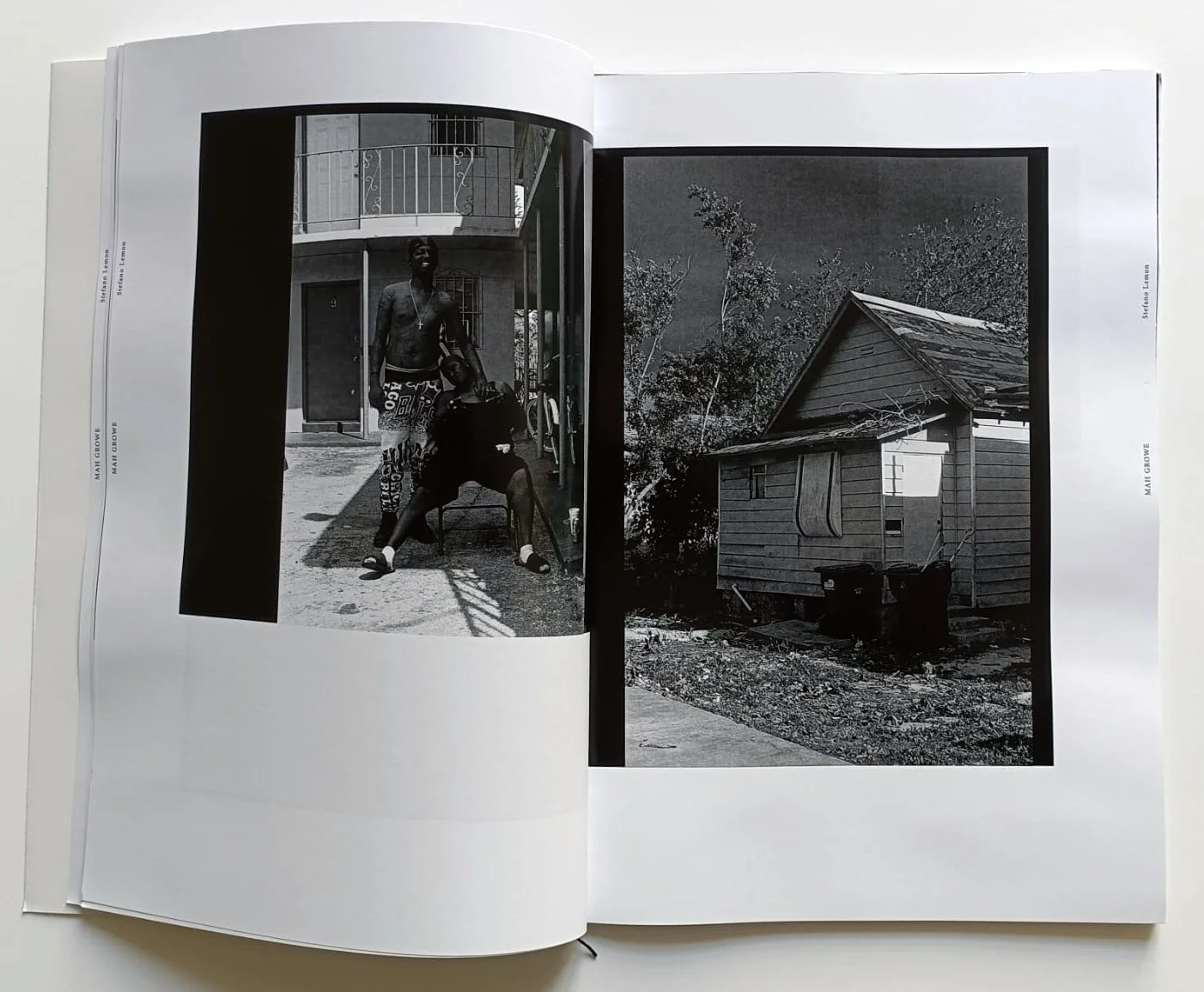 Immagine 29 di 43
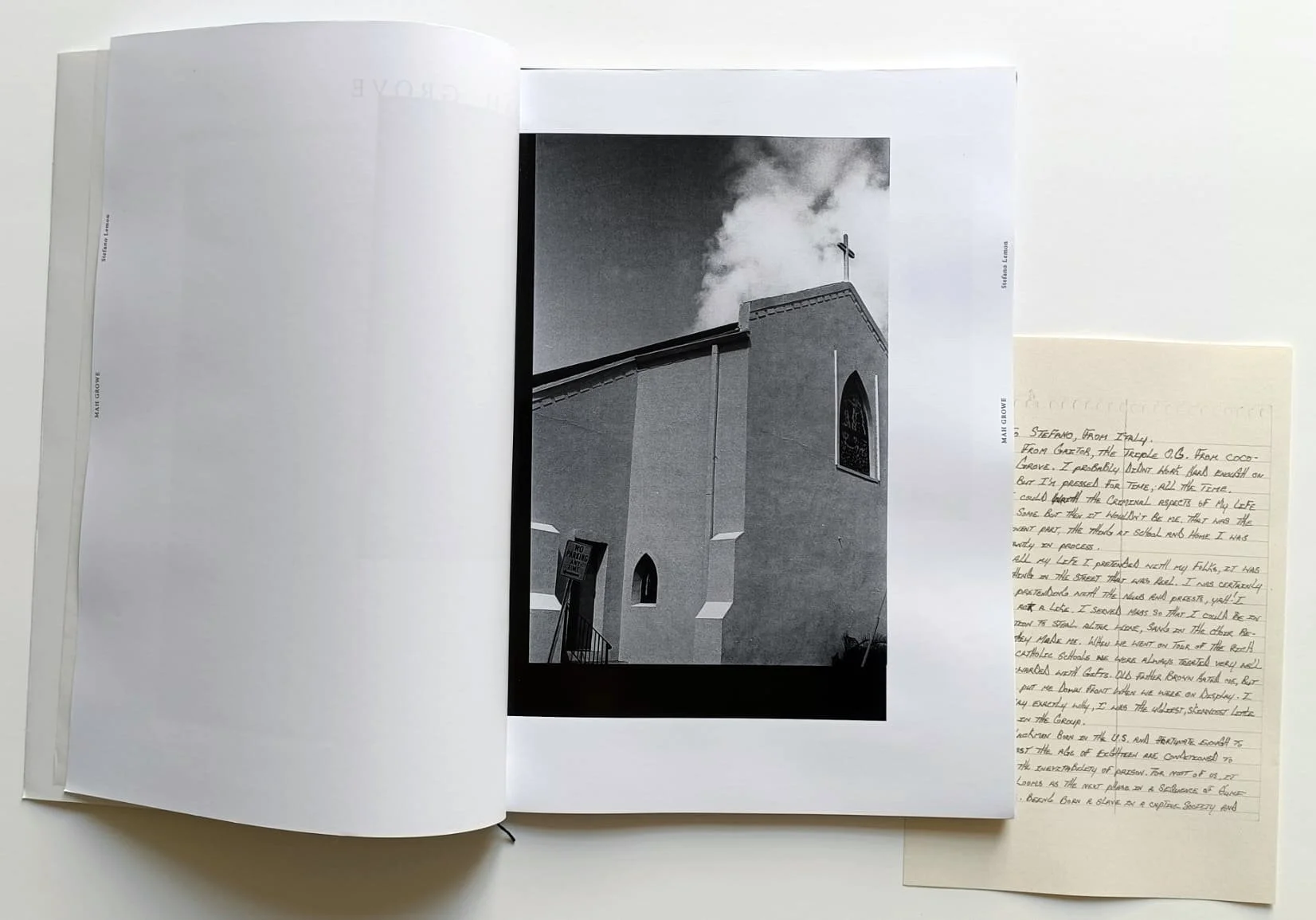 Immagine 30 di 43
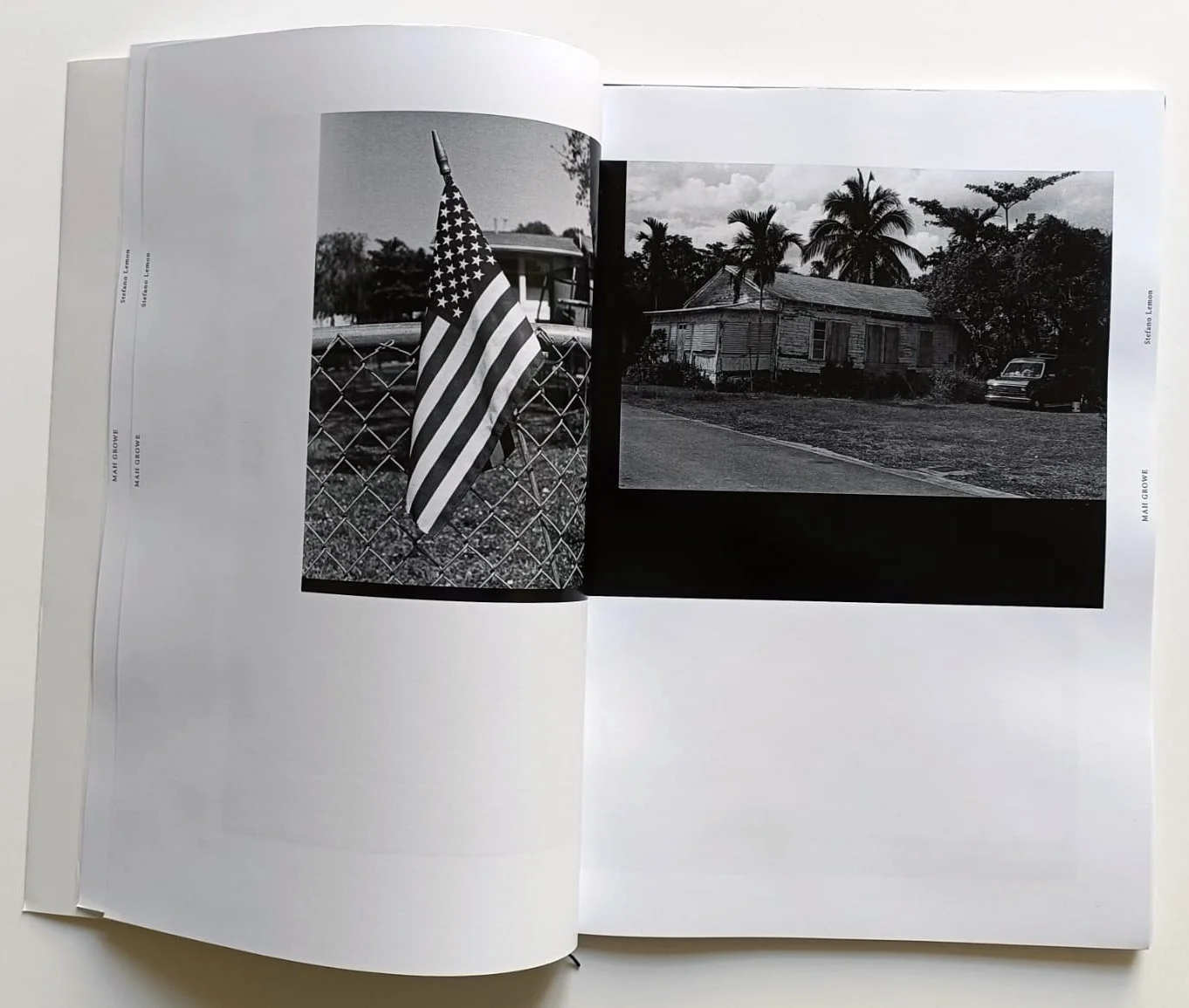 Immagine 31 di 43
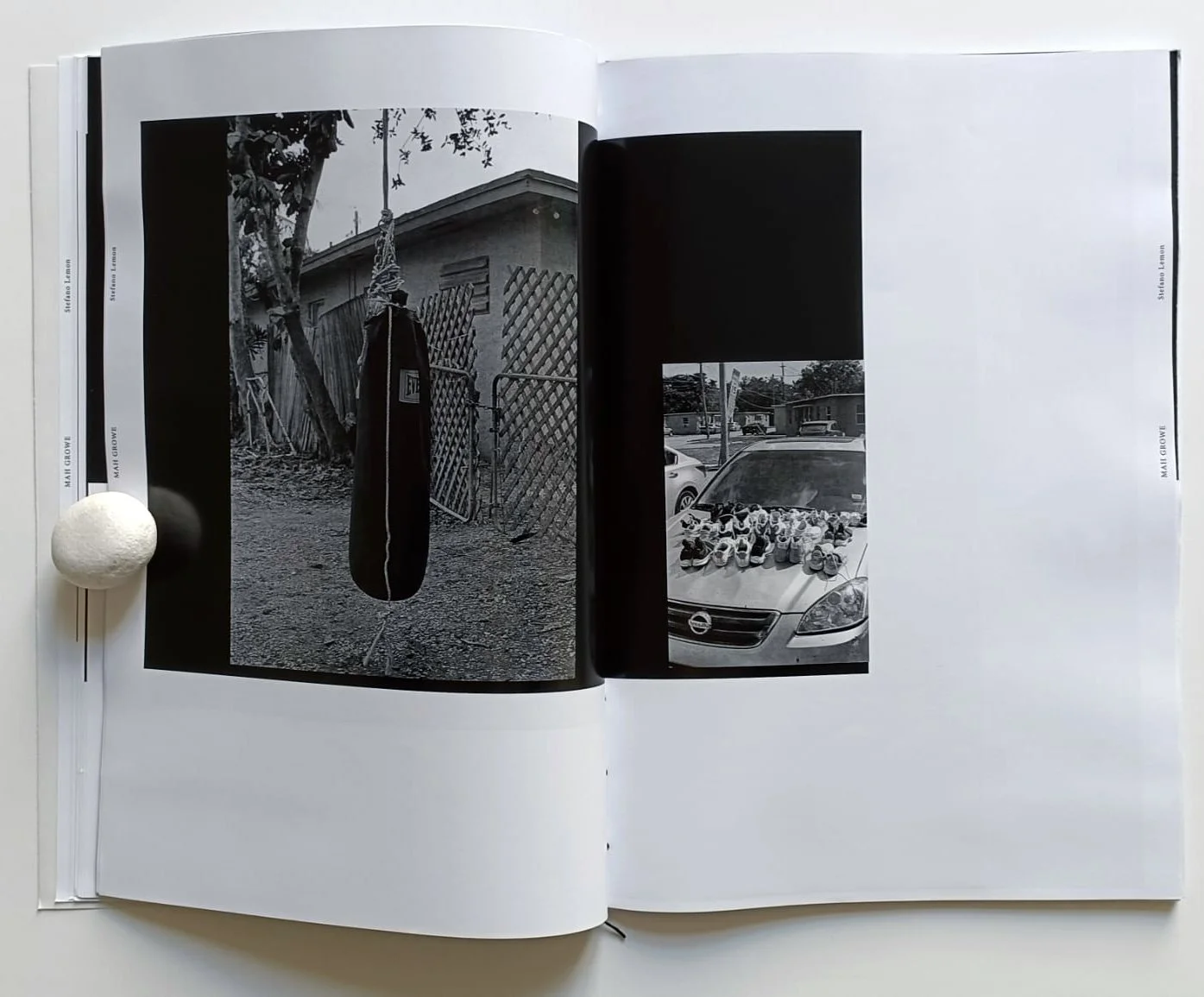 Immagine 32 di 43
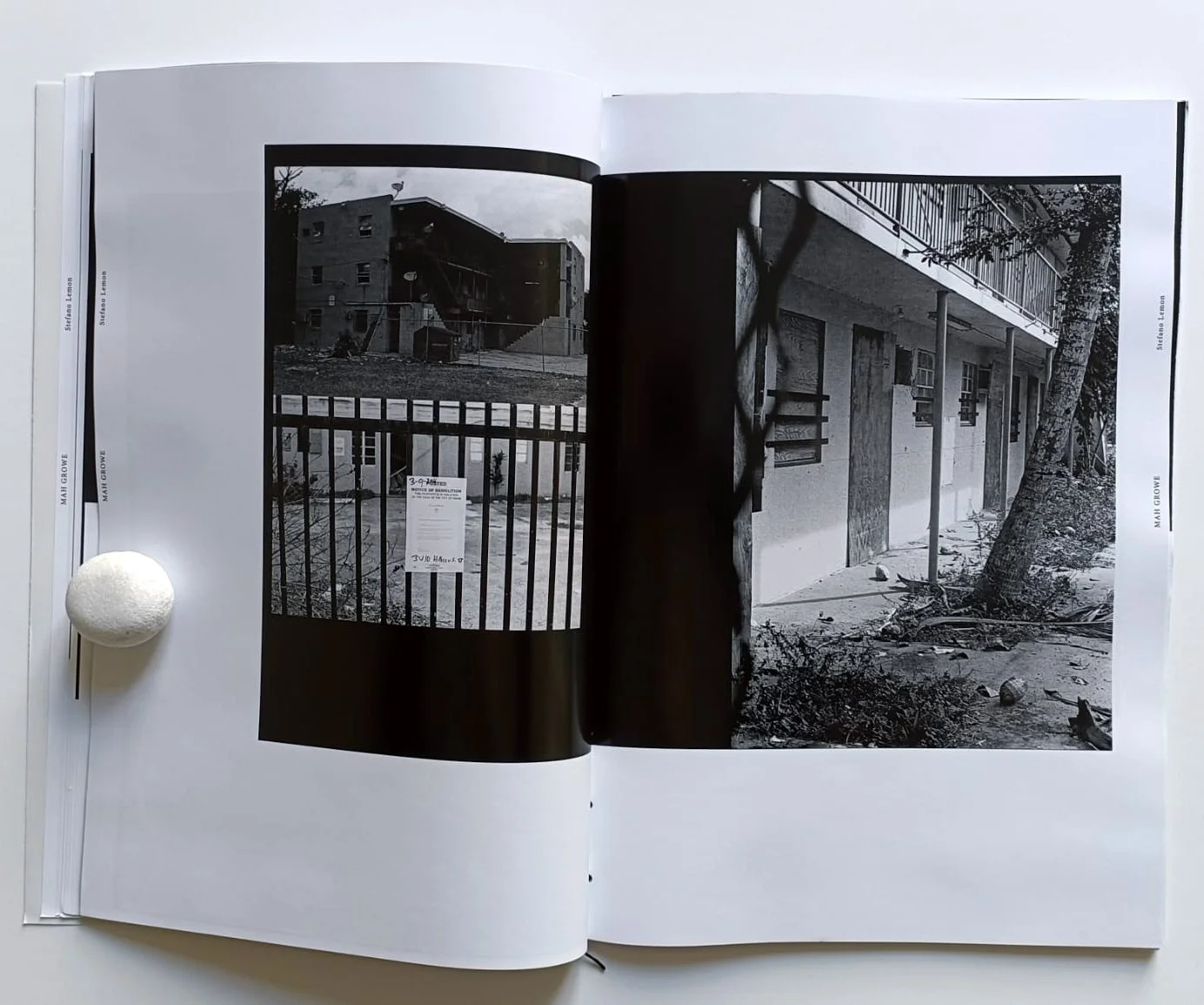 Immagine 33 di 43
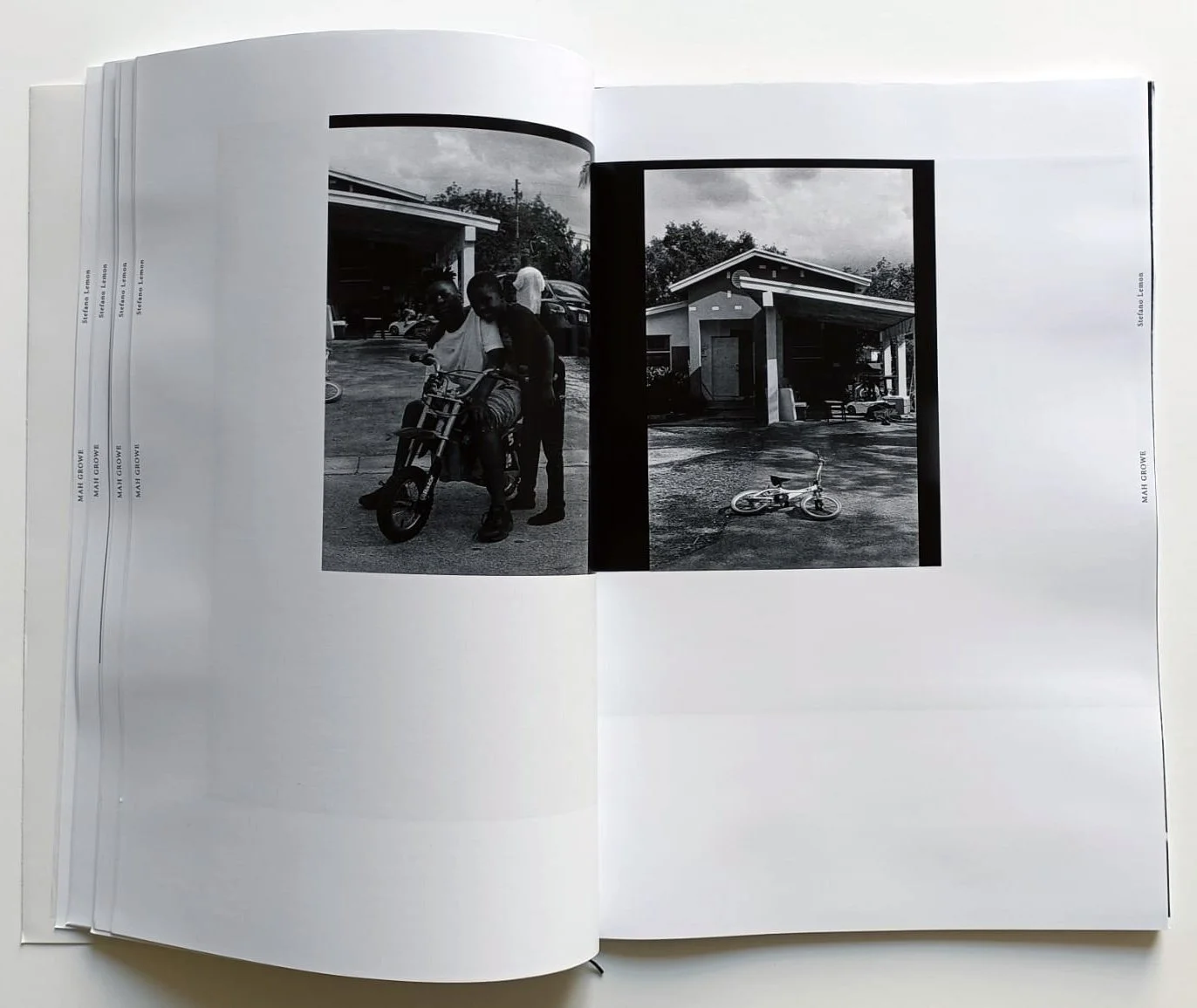 Immagine 34 di 43
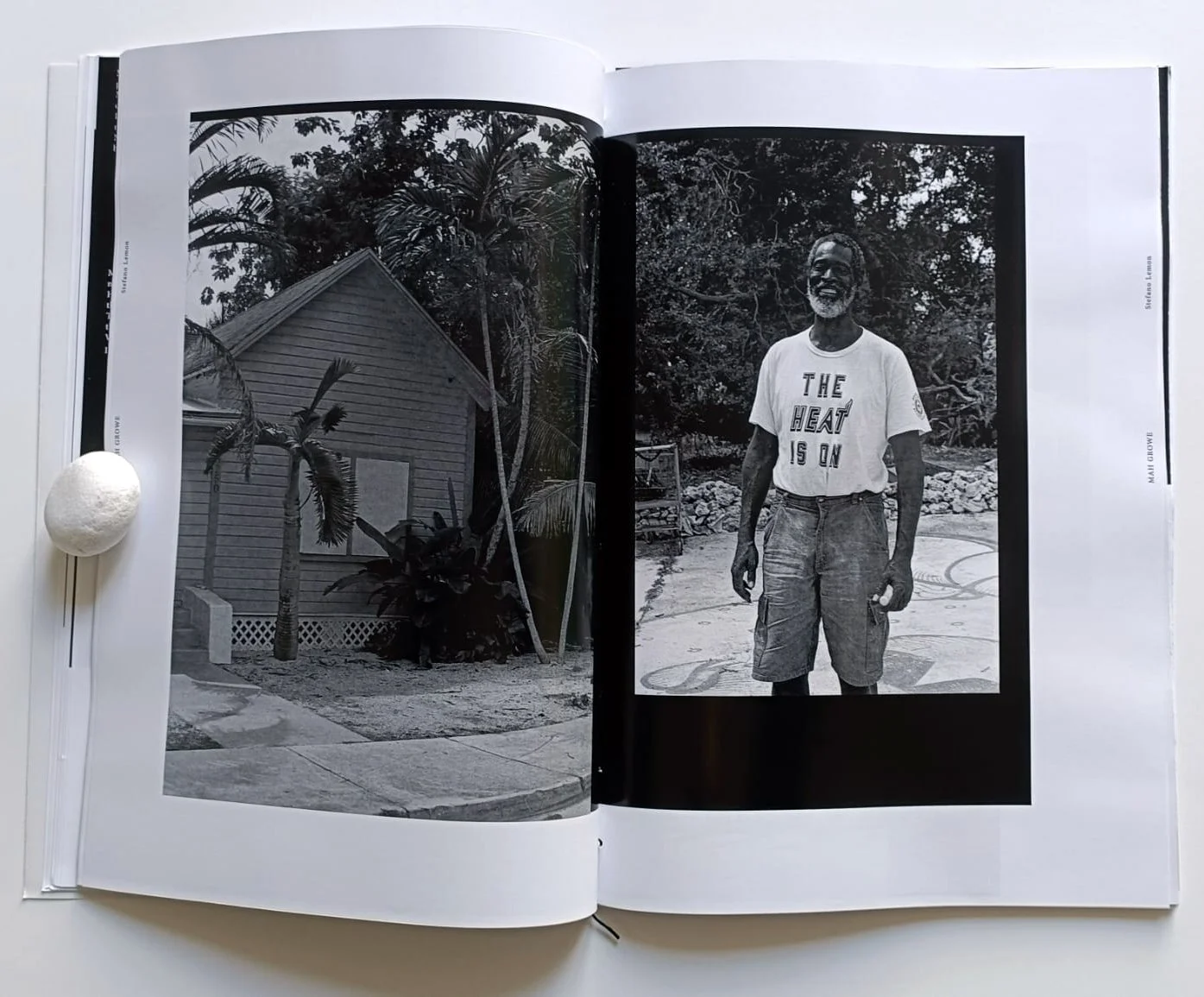 Immagine 35 di 43
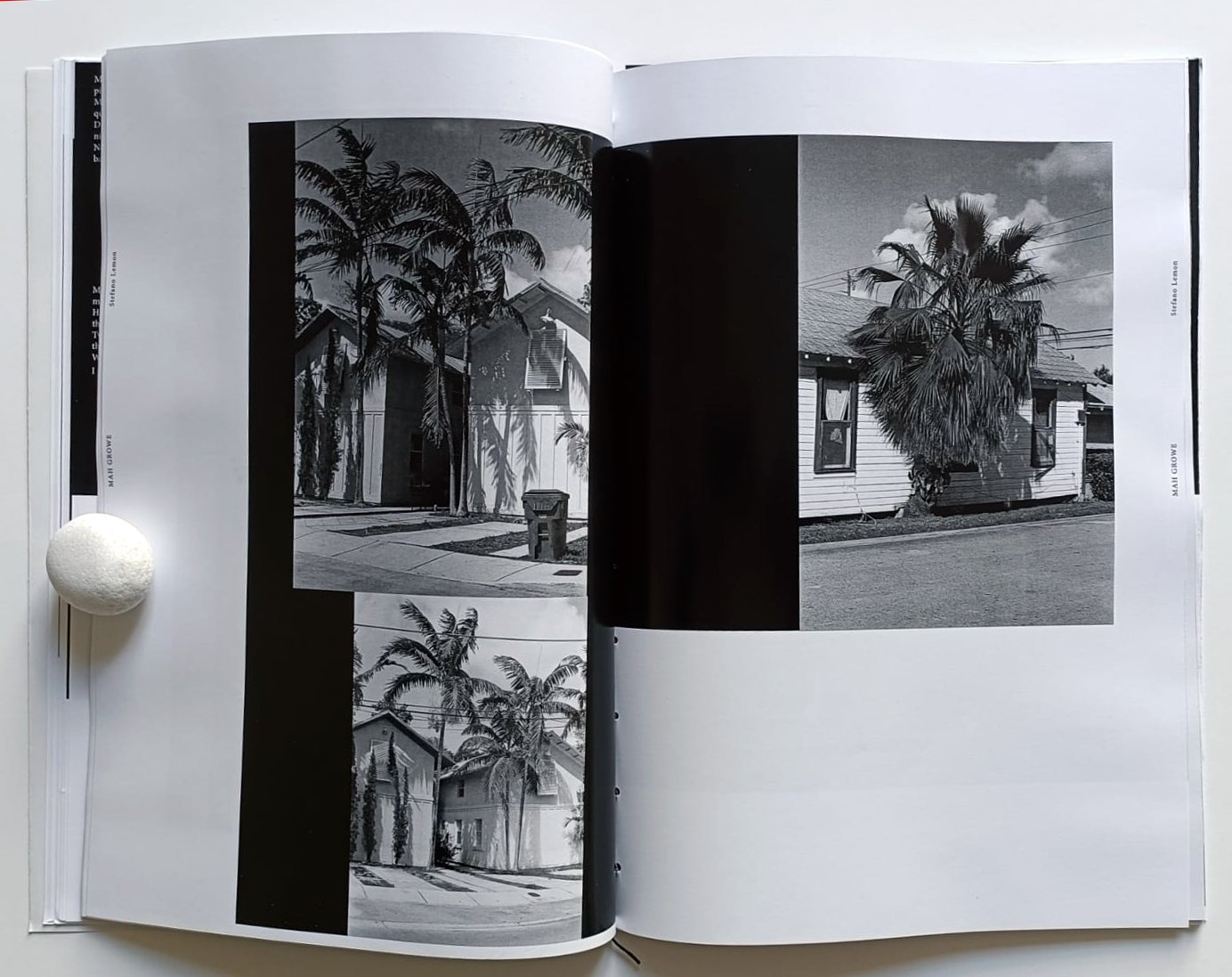 Immagine 36 di 43
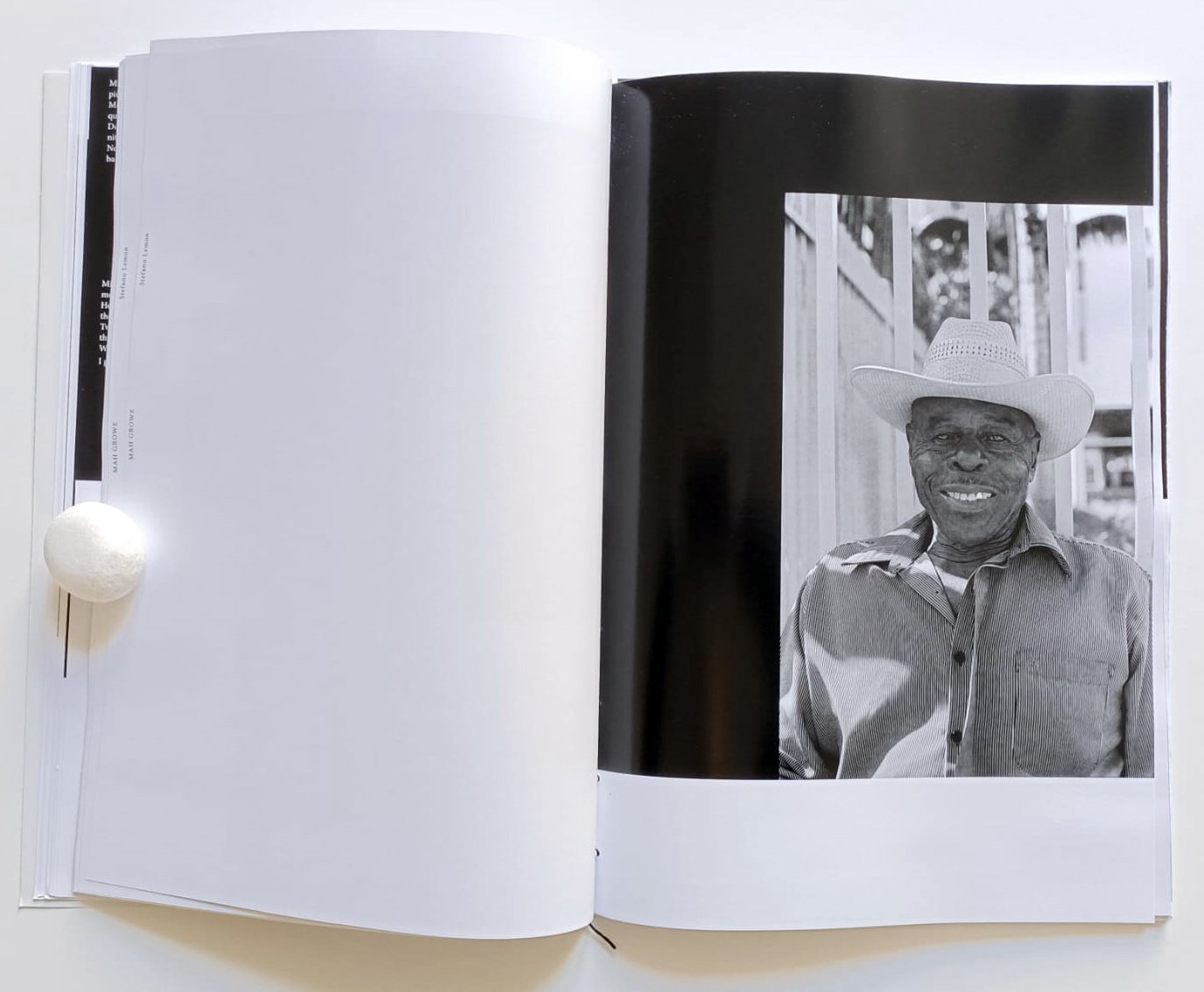 Immagine 37 di 43
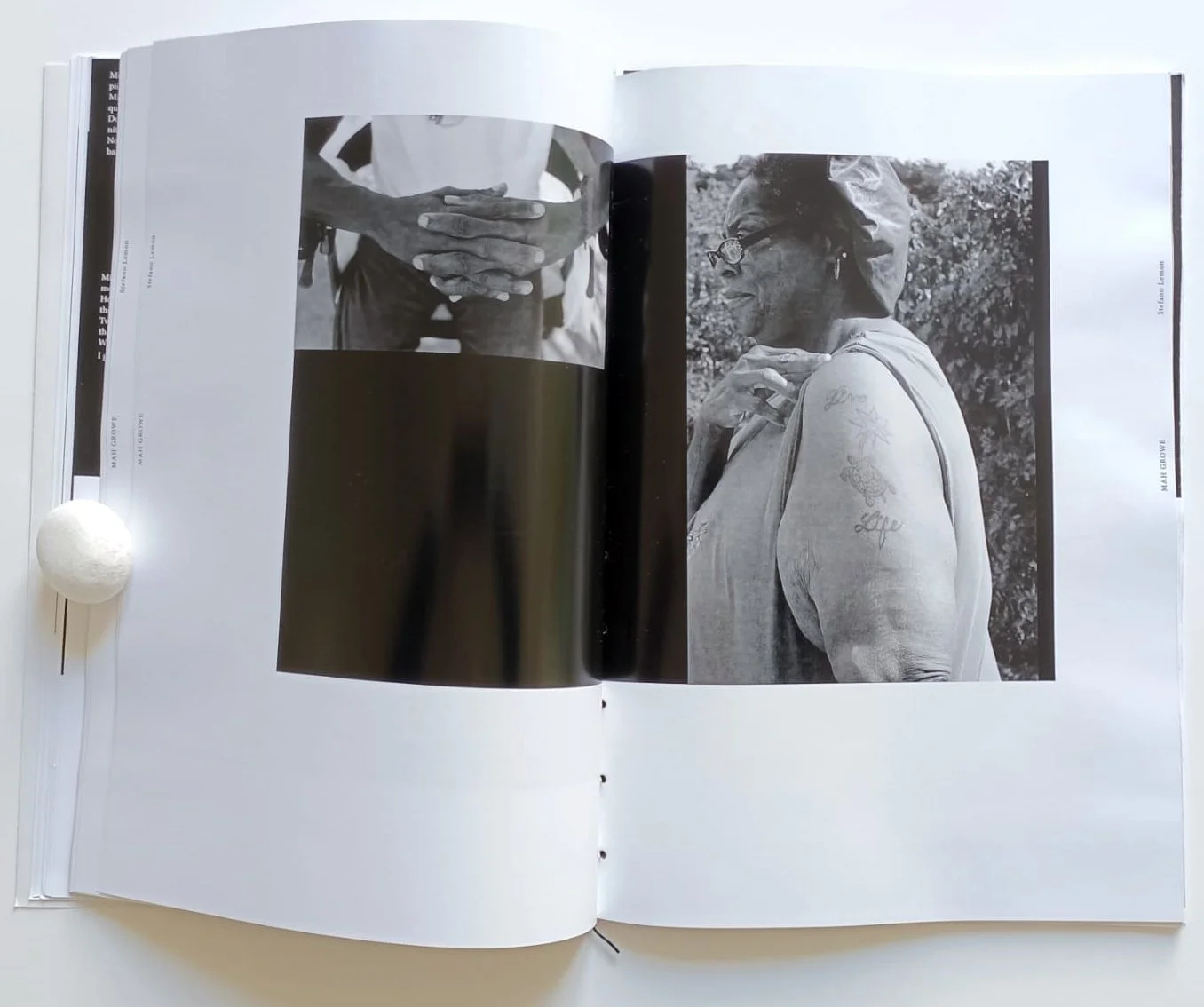 Immagine 38 di 43
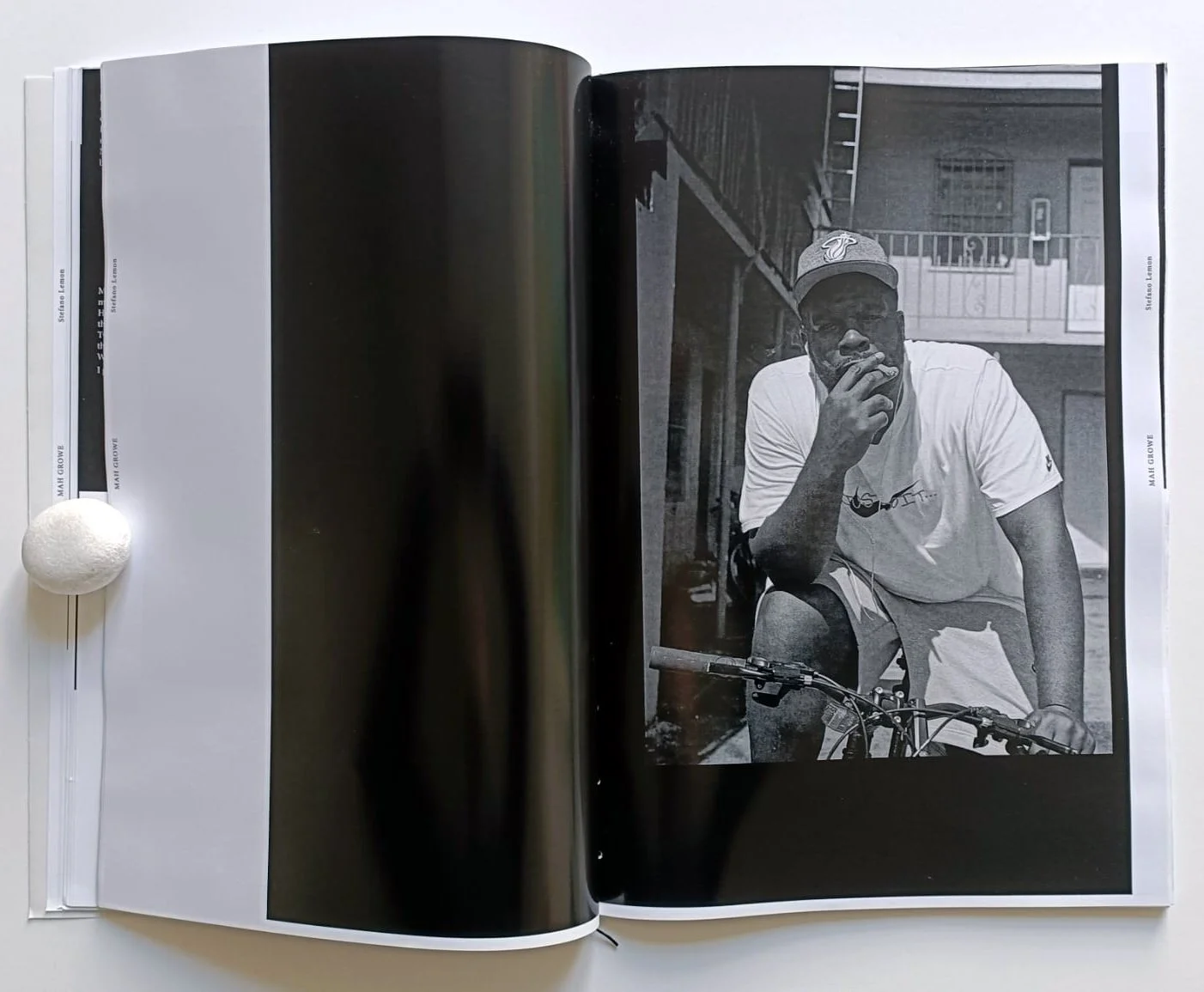 Immagine 39 di 43
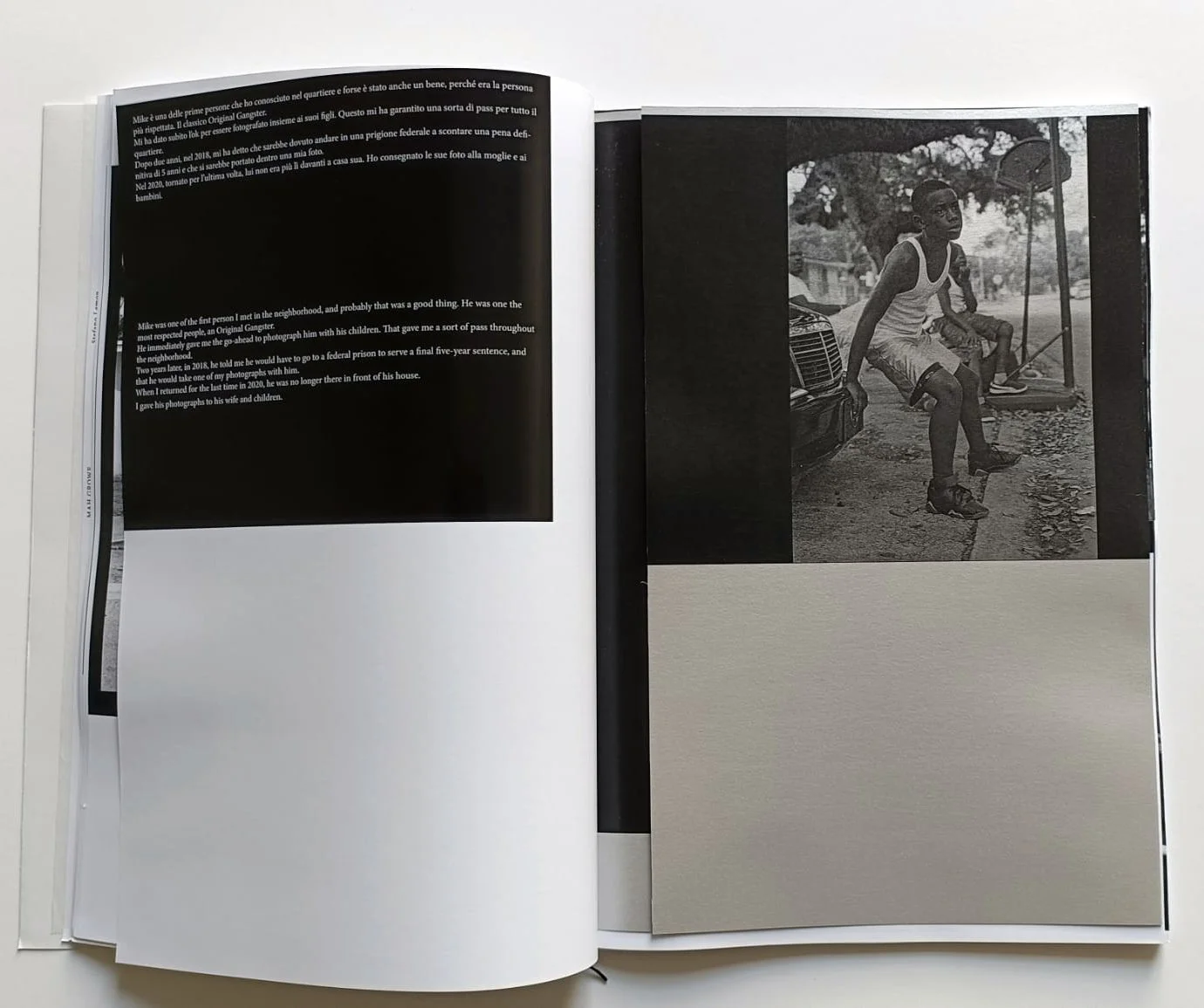 Immagine 40 di 43
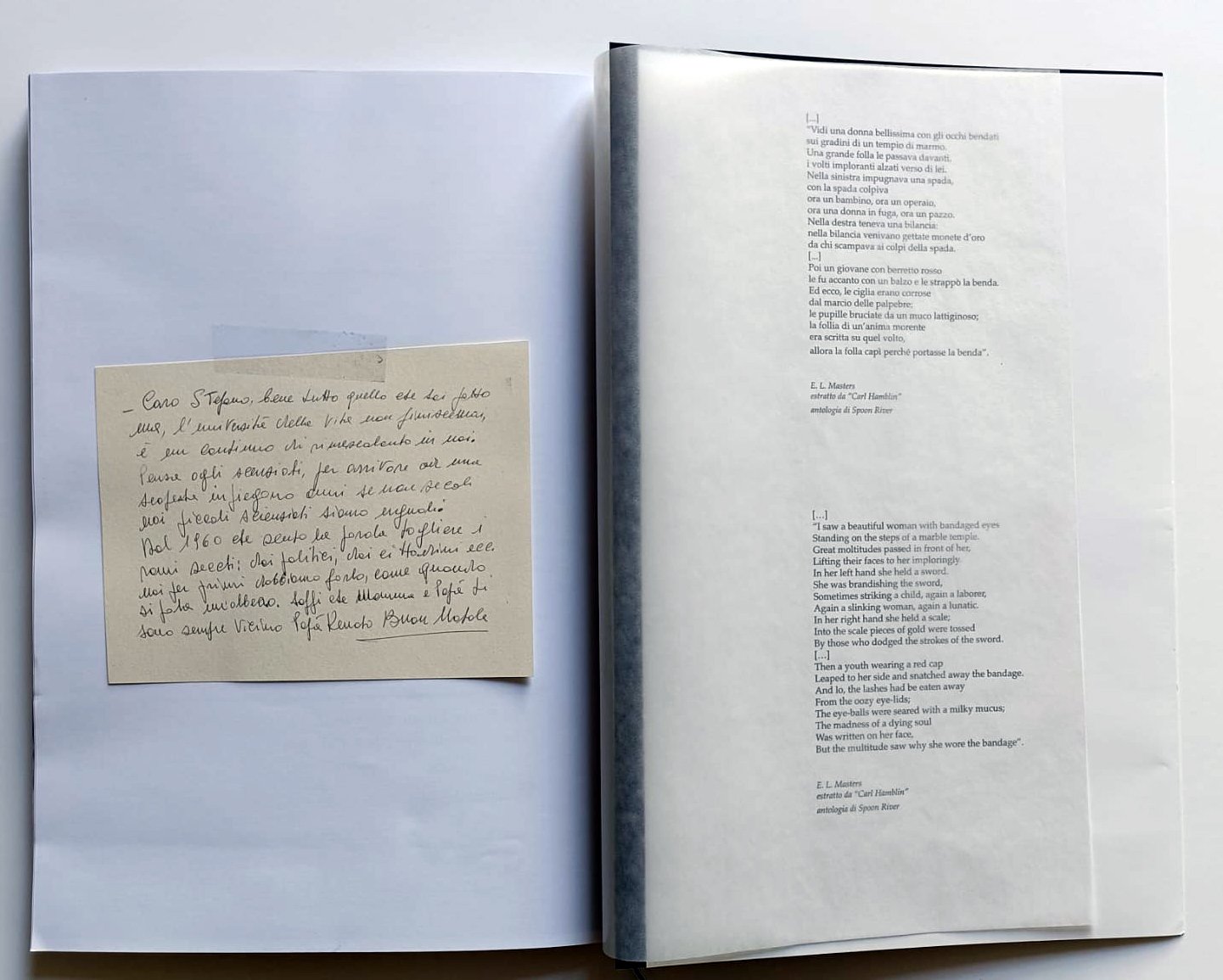 Immagine 41 di 43
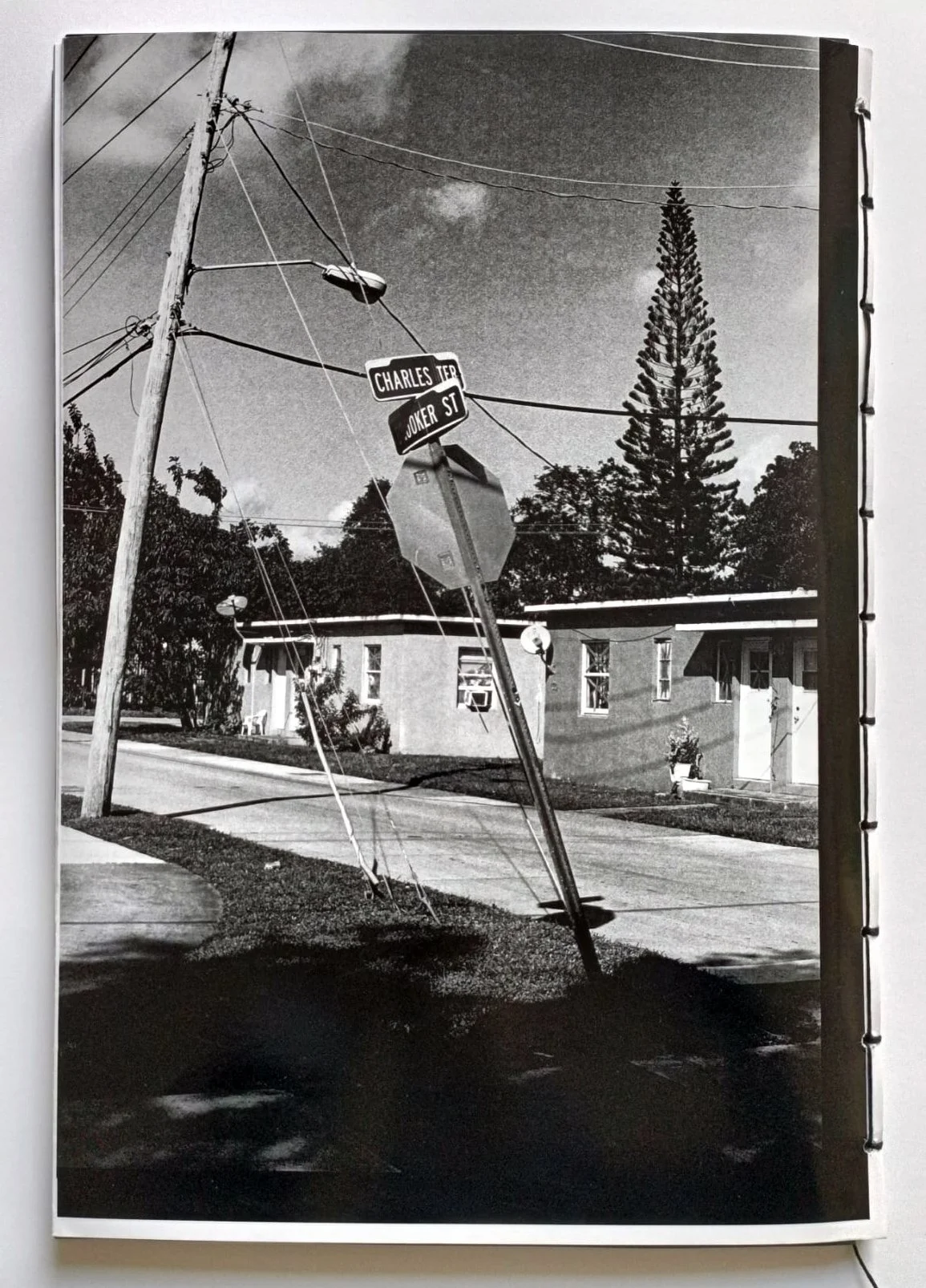 Immagine 42 di 43
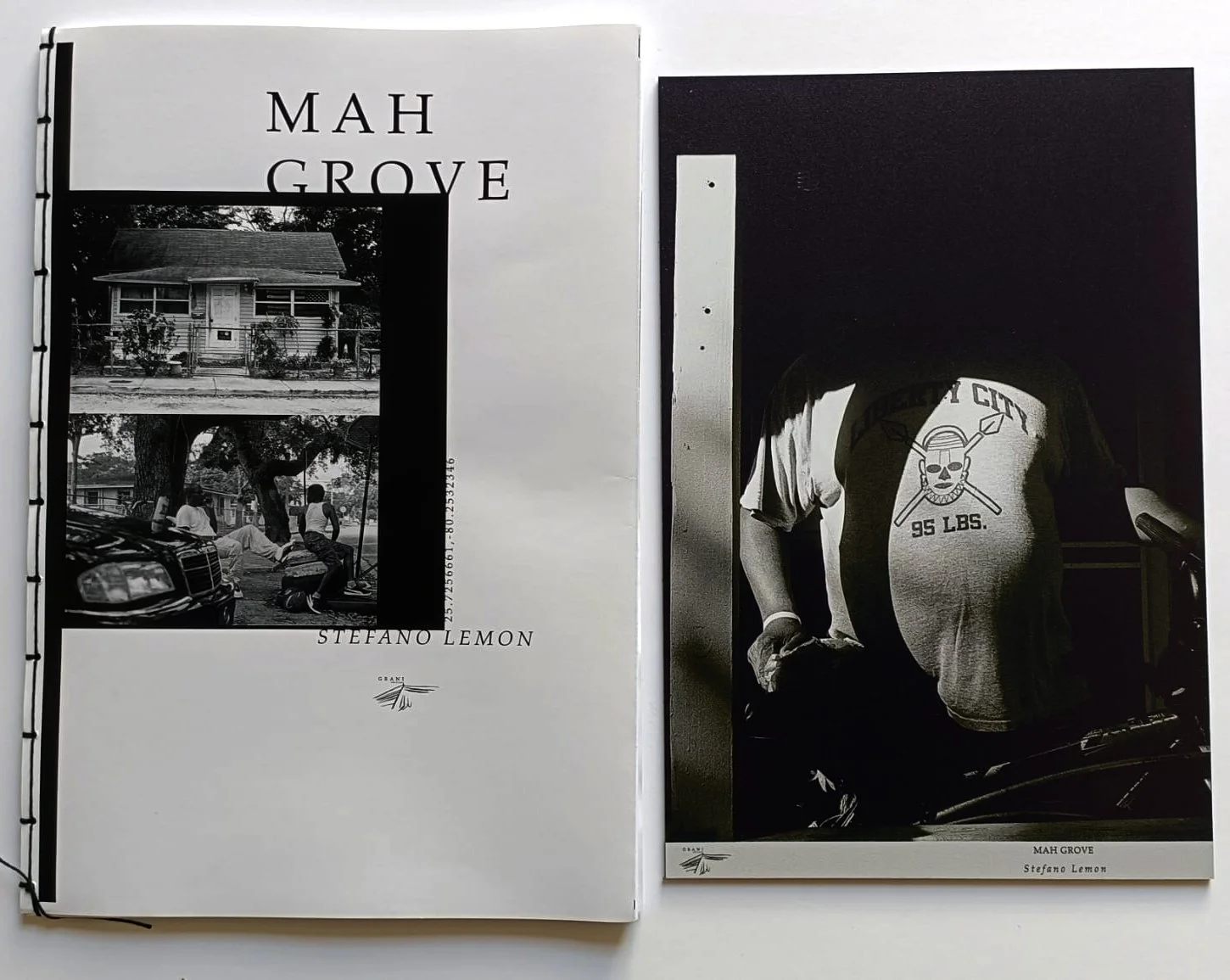 Immagine 43 di 43